
Maybe you’ve seen them on social media.
Dramatic before-and-afters, tiny vials in bathroom selfies, and people talking about “tan jabs” that promise a deep tan with almost no sun. When you’re busy and tired of juggling SPF, weather, and schedules, that kind of shortcut can sound clever rather than risky.
What you rarely get in the same breath is the part that matters for your health: what Melanotan actually is, how tanning injections act on your body, why they aren’t approved for cosmetic tanning, and the uncertainties that sit behind those filtered photos. This is general information, not medical advice, and any worries about your skin or health should always go to a qualified medical professional.
By the end, you’ll understand what Melanotan I, II, and tanning injections really are, why the risk and regulation gaps are a serious red flag, and which safer glow options make far more sense for your skin long term.
What Are Melanotan Tanning Injections and How Do They Work?
Melanotan tanning injections are unapproved peptide products designed to stimulate pigmentation from within the skin rather than applying temporary color to the skin’s surface.
The two most common types of melanotan products that will be offered are melanotan I and melanotan II. However, it’s Melanotan II, in particular, which has gained the most popularity.
That is a synthetic substance related to alpha-melanocyte-stimulating hormone (α-MSH), which helps skin cells produce melanin. The distinction matters because the FDA has identified Melanotan II as an unapproved drug marketed as a tanning product.
Unlike sunless professional spray tans or tanning mousses that stay on the surface, these tanning injections act on the body’s pigment system from the inside out. They are commonly promoted online, often on social media platforms like TikTok and Instagram, as nasal tanning sprays and injections, frequently bypassing conventional medical channels. Users are not simply “boosting a tan”; they’re engaging systemic administration, using a substance that acts on melanocortin receptors, specifically targeting MC1-R receptors in the skin, hoping the body responds as desired.
In Simple Terms, What You’re Actually Using
So-called tan jabs are commonly:
- Synthetic substances related to melanocyte-stimulating hormone
- Self-administered as injections or used as nasal sprays
- Sold as products that are not FDA-approved for tanning use
These cosmetic peptides, marketed aggressively through influencer marketing, carry significant safety risks and health misinformation.
Moreover, these products lack approval for cosmetic use due to potential long-term consequences like adverse skin reactions, the possibility of melanoma, and a lack of controlled information surrounding their systemic effects. Always consult dermatology experts before considering such products, as safer methods like sunscreen and UV light protection contribute better to skin cancer prevention.
What Happens Inside Your Skin
Melanotan II is a synthetic analog (which means it simulates) of the α(alpha)-Melanocyte-stimulating-hormone (α-MSH), which binds to your melanocortin receptors in skin cells to increase melanin production, the pigment responsible for tan or brown skin color.
Unlike a professional sunless tan, this process changes pigmentation from within rather than temporarily adding color at the skin’s surface.
People taking these injections are essentially using chemistry to replace what sun exposure (UV exposure, specifically) does to their skin.
What Are the Real Health Risks of Melanotan and Tanning Injections?
Melanotan and tanning injections present significant safety risks, largely due to their status as unapproved substances marketed through social media platforms like TikTok and Instagram. These products, often part of the grey market peptides, include Melanotan II and have been linked to health misinformation propagated by influencer marketing.
That concern is reflected in guidance from the American Cancer Society on tanning shots and melanotan, which notes that the safety of tanning shots has not been established through sufficient clinical studies and lists reported effects such as nausea, vomiting, sexual side effects, and other reactions.
Melanotan can also cause disruptions in pigmentation, leading to pigmented lesions and the exacerbation of existing conditions. The stimulation of the melanocortin hormone family attempts to mimic natural tanning processes but lacks the protective effects of sunscreen and proper skin protection against UV light, thus not even offering any real photo protection or prevention against skin cancer.
Safety issues have been noted since the initial development of Melanotan I and II in the 1990s at the University of Arizona. Concerns include the possibility of inducing not only melanoma but also other types of skin cancer, such as squamous cell carcinoma and basal cell carcinoma. Users also risk systemic administration-related complications, including priapism (which is why it’s also marketed as treatment for erectile dysfunction), rhabdomyolysis, encephalopathy syndrome, and even renal failure, especially when using pre-filled syringes or injectable vials without appropriate medical oversight.
Moreover, this unapproved medication can expose users to additional risks such as hepatitis B and C due to improper use of sharp containers and contamination during administration. This makes proper dermatology consultation and understanding the dangers of these cosmetic peptides critical for any user contemplating their use.
In short, reported or potential concerns include:
- Side effects: including nausea, vomiting, sexual side effects, and other reactions reported in connection with tanning shots
- Product uncertainty: particularly with unregulated tanning products, where it may not always be clear what they contain
- Injection-related concerns: any self-administered injectable product introduces considerations that topical tanning products do not
- Unknown long-term effects: the safety of these tanning shots has not been established
These aren’t the only possible concerns with melanocortin peptides, but they’re among the reasons to take an unapproved tanning injection seriously. If you notice a new or changing mole or experience concerning symptoms, stop using the product and talk with a qualified medical professional.
Why Aren’t Melanotan Tanning Injections Properly Approved or Regulated?
Melanotan II does not have FDA approval as an injectable tanning product. In fact, FDA records describe Melanotan II as an unapproved new drug that was marketed and sold as an injectable tanning product.
That distinction matters because FDA approval is not simply a label or formality. It reflects a formal review process around a product’s safety, effectiveness, manufacturing standards, and intended use. Melanotan tanning injections (and similar nasal spray presentations), marketed for cosmetic tanning, have not gone through that process in the way an approved drug would.
That means these products should not be treated as though they have gone through the safety, effectiveness, and quality review expected of an FDA-approved drug for cosmetic tanning, which includes enough clinical studies to validate their effectiveness and dangers.
When you buy something through an informal or unregulated channel, you may also have far less certainty about what is actually in the product or whether one vial is consistent with the next.
In real life, that can mean:
- No FDA approval for tanning use
- Uncertainty about product strength, purity, and contents
- Self-directed use without formal medical oversight
- Limited information from clinical trials about the effects of long-term cosmetic use
That uncertainty is part of the risk. A product can look polished online, come with confident testimonials, and still lack the safeguards you would normally expect from something being injected into your body.
When the main reassurance you have is marketing language and anonymous reviews, it’s hard to call the decision genuinely informed, especially when your health is part of the trade.
Are Melanotan Injections Safer Than Tanning Beds or Spray Tans?
No. Melanotan injections should not be treated as a safer alternative to tanning beds or professional sunless tanning; they introduce a different and less understood set of risks.
It’s true that UV exposure from sunbathing or tanning beds damages skin and increases the risk of premature aging and skin cancer.
The American Cancer Society’s guidance on UV tanning beds or natural sun tans is clear about those ultraviolet light risks, but that doesn’t automatically make a pigment-stimulating injection a smart upgrade.
With Melanotan, you’re trading surface-level color for systemic exposure while still trying to solve the same underlying goal: getting the look you want without unnecessarily compromising your skin.
Here’s how the approaches differ at a glance:
| Method | How It Works | Main Concerns |
| UV tanning from the sun or tanning beds | UV exposure stimulates tanning while damaging skin | Skin cancer risk, premature aging, and sun damage |
| Melanotan tanning injections | Stimulates melanin production from synthetic substances act from within the body | Side effects, lack of FDA approval, product uncertainty, and long-term unknowns |
| Professional spray tans or topical sunless tanners | Color develops primarily in the outermost layer of the skin | Technique, preparation, and product quality matter |
“Safer than a tanning bed” is a very low bar.
The better question is whether you can achieve the glow you want without relying on UV damage or an unapproved injectable tanning product.
Safer Alternatives to Tanning Injections for a Natural-Looking Glow
Embracing safer alternatives to tanning injections, such as Melanotan II or other unregulated cosmetic peptides, keeps the tanning process focused on the surface of your skin rather than altering melanin production from within. Tanning injections can interact with melanocortin receptors, potentially leading to pigmentation changes and unintended consequences like skin cancer risks or pigmentation disorders. Opting for safer methods allows you to enjoy a believable, even glow without the risks associated with systemic administration, such as pigmented lesions, which are sometimes reported with these peptide-based products.
The key is protecting your natural skin rather than exposing it to health misinformation prevalent on social media platforms like TikTok and Instagram, where influencer marketing may promote unverified and unsafe tanning methods. Ensure that the tanning options you choose prioritize skin protection and skin cancer prevention.
Safer, skin-friendly alternatives include:
- Professional custom sunless tanning: Work with a dermatology specialist who considers your melanin levels and skin undertone to recommend a non-invasive approach suitable for your needs.
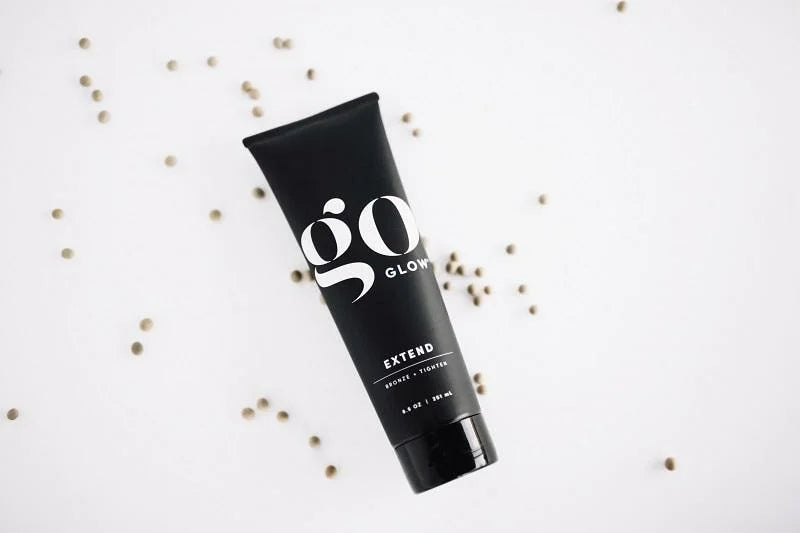
- Well-formulated at-home sunless products: Use lotions, mousses, or mists designed to develop color in the outermost skin cells without altering deeper pigmentation mechanisms. goGLOW offers several at-home tanning solutions, including HYDRATE lotion, the Sunless Tanning Whipped MOUSSE, and the TOUCH UP mist spray.
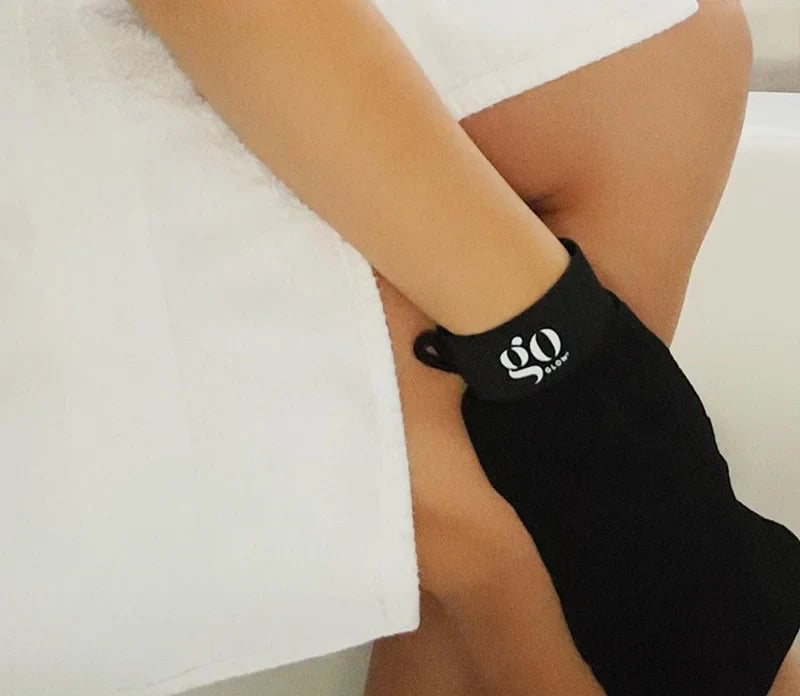
- Daily skincare basics: Consistent use of broad-spectrum sunscreen, gentle exfoliation, and proper hydration support both healthy skin and safe tanning practices. goGLOW’s own HYDRATE and the EXFOLIATE mitt are great options, for example.
Remember, even when you achieve a sun-kissed look without UV exposure, sunscreen remains essential for photo protection. Skin protection against UV light is critical, as it helps prevent conditions like melanoma, basal cell carcinoma, and squamous cell carcinoma. Avoid the pitfalls of grey market peptides and prioritize products that contribute to your long-term skin health.
At goGLOW, we focus on a skin-first approach that fosters healthy skin practices, offering personalized guidance, pH preparation, hand-sprayed application, and careful aftercare. All are designed to deliver an even, natural-looking glow while prioritizing the health and safety of your skin.
goGLOW does not offer or endorse Melanotan or tanning injections. The focus is on customized sunless color and caring for the skin underneath it.
And one reminder matters no matter how you get your glow: a sunless tan is not sunscreen. Continue using appropriate sun protection when you’re outdoors.
When Should You Stop Using Tanning Injections and Talk to a Medical Professional?
If you’re currently using melanotan through a nasal spray or as a tanning injection, certain changes are worth taking seriously rather than trying to push through them. Talk with a qualified medical professional if:
- You notice a new or changing mole or pigmented spot
- A spot changes in size, shape, color, or appearance
- You experience unexpected or persistent side effects
- You’re concerned about the contents or dose of a product you’ve used
- You simply aren’t sure whether a change in skin pigment or aspect is normal
You don’t need to diagnose a change yourself. The American Academy of Dermatology recommends seeing a board-certified dermatologist for suspicious or changing spots, including spots that are itching or bleeding. If something about your skin or how you feel concerns you, getting appropriate medical guidance is the safer next step.
How Can You Talk About Melanotan and Tanning Injections With People You Care About?
When a friend or client is considering tanning injections or a fake tan nasal spray, a lecture usually shuts the conversation down. Most people are chasing time, confidence, convenience, or a sense of control, not trying to be reckless, so it helps to start from that shared place and bring in the facts calmly.
A supportive way to approach it is to:
- Acknowledge the goal: “I get why you’d want a tan that feels easy and consistent.”
- Explain in plain language how these products work and that melanotan II is not FDA-approved as an injectable tanning product.
- Connect the dots between potential side effects, product uncertainty, long-term unknowns, and why caution makes sense.
- Offer alternatives, like professional sunless tanning or a skin-first at-home routine, that can still deliver the look they’re after
The aim isn’t to scare anyone. It’s to make sure a health decision isn’t being made based only on social media results and marketing claims.
How to Choose a Glow That Respects Your Skin
Melanotan and similar tanning injections aren’t simply “stronger self-tanners.” They are fundamentally different from topical sunless tanning products, and melanotan peptide analogs have been identified by the FDA as an unapproved injectable tanning drug.
In contrast, keeping color focused on the surface, through professional sunless tanning and thoughtful at-home care, lets you enjoy the look you love without intentionally exposing your skin to UV radiation or relying on an unapproved injectable tanning product.
Your skin has to carry you through every season of your life. Your tan only needs to carry you through a trip, an event, or a moment.
That’s why a healthier glow routine starts with thinking beyond the immediate result. It can mean stepping away from tanning injections, scheduling a skin check if something concerns you, and choosing a more intentional sunless routine built around preparation, customized color, hydration, aftercare, and everyday sun protection.
At goGLOW, those pieces are designed to work together, so your glow feels considered from the start rather than like another shortcut you have to manage afterward. The result is a routine that feels easier to trust, easier to maintain, and much more aligned with how you want to care for your skin over time.
Get a Glow That Puts Your Skin First with goGLOW
If you’ve been weighing tanning injections, it makes sense to want a glow that feels easy and reliable. The question is whether the method fits the way you want to care for your skin long term.
Choosing surface-level sunless color, thoughtful timing, and consistent hydration gives you another path. A skin-first, custom sunless studio like goGLOW can help you choose a color depth that complements your undertone, plan your tan around real life, and build a routine that keeps the health and condition of your skin at the center of the experience.
Because the goal isn’t simply to look more tan, it’s to feel confident in the way you got there.
If professional sunless tanning feels like the right fit for your skin and schedule, book your goGLOW and let a specialist customize your color around you.