
When you’re preparing for a spray tan, you probably think about exfoliating, shaving, moisturizing, and choosing the right shade. But there’s something underneath all of those steps that can make a major difference in how your tan develops and fades: your skin barrier.
Most inconsistencies in your spray tan rarely come down to luck. Most of the time, it’s your skin barrier quietly deciding how your color develops and how long it lasts.
Your skin barrier is the only part of your skin a spray tan actually touches, so its health, texture, and comfort level control far more than the brand of solution or the booth versus specialist debate.
Dihydroxyacetone (DHA), the tanning ingredient used in sunless tanning products, reacts with amino acids in the stratum corneum, the outermost layer of the epidermis. This non-enzymatic process, known as the Maillard reaction, produces brown pigments called melanoidins.
In other words, the surface of your skin is the canvas for your spray tan.
By the end of this guide, you’ll know what the skin barrier actually is, how it changes your spray tan results, and how to prep and protect it so your glow looks more like a choice than a gamble.
That’s why at goGLOW, great spray tanning starts with skincare.
What Is the Skin Barrier?
The skin barrier generally refers to the outermost portion of the skin, particularly the stratum corneum. Think of it as your body’s protective outer layer.
- It Protects: The skin barrier helps protect the body from substances in the outside environment while also helping prevent too much moisture from escaping the skin. When the barrier function is compromised, skin can become dry and irritated.
- It Regenerates: The stratum corneum is made primarily of flattened skin cells called corneocytes surrounded by a lipid-rich matrix (fatty crust). As those surface cells naturally shed, new cells take their place.
- It Can Be Temporarily Tanned: That natural turnover matters for spray tanning because DHA-created color exists in this outer layer. The melanoidins created by the tanning reaction remain in the stratum corneum until those colored cells gradually shed.
So your spray tan and your skin barrier aren’t two separate subjects. Your spray tan literally develops within the outer layer of your barrier.
How Your Skin Barrier Affects a Spray Tan
DHA interacts with amino acids in the stratum corneum to create the temporary color we recognize as a sunless tan. Research also shows that factors, including hydration and pH, can influence this DHA tanning reaction.
This helps explain why spray tanning prep isn’t simply about getting your skin “clean.”
It’s about creating a consistent surface.
Areas with excess dead skin cells or significant dryness can behave differently from smoother, more evenly hydrated areas. That’s why the elbows, knees, hands, ankles, and feet deserve special attention during prep: these areas can naturally be drier or have a thicker-feeling surface than other parts of the body.
The goal isn’t to scrub your skin into submission, but to prepare it without unnecessarily disrupting it.
Healthy spray tan prep is a balance: remove excess buildup while preserving the hydrated, comfortable skin you want underneath.
Signs Your Skin Barrier Is Healthy, Stressed, or Over‑Oiled
Before you focus on formulas or rinse timings, it helps to ask, “What kind of surface is this solution about to meet?” Reading your barrier turns spray tanning from guesswork into small, targeted adjustments you can actually control.
A healthy, balanced barrier usually feels:
- Soft and flexible, not greasy or squeaky‑tight
- Comfortable after a shower, without burning or stinging
- Mostly smooth to the touch, without constant flaking
A damaged or over‑stripped barrier often feels:
- Tight or itchy after washing, even with gentle products
- Prone to stinging or burning when you apply basic lotions
- Rough, flaky, or “never quite soothed,” especially on shins, hands, or chest
An over‑oiled or occluded barrier feels:
- Slick or coated, as if something is sitting on top of your skin
- Smooth but almost waxy, especially after heavy oils or thick body butters
- Prone to clogged‑feeling areas where products seem to layer rather than sink in
Most people are a mix: comfortable on the torso, a little stripped on the shins, over‑oiled on the chest, and rough on the feet. That’s normal.
The goal isn’t perfection; it’s simply knowing which zones need calming, which need gentle smoothing, and which need you to ease up on thick products right before a tan.
Exfoliation Is Important, But More Isn’t Always Better
Exfoliation is one of the most important steps before spray tanning because it helps remove loose surface cells and creates a smoother canvas.
But aggressive exfoliation can work against the larger goal.
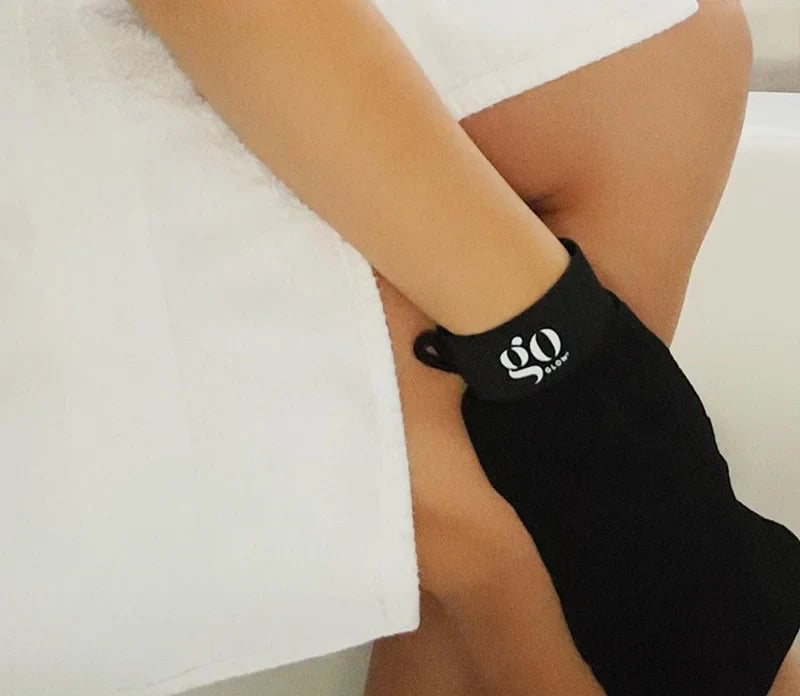
If you’re scrubbing until your skin feels raw, tight, or irritated, you’ve gone beyond preparing the surface. A better approach is controlled, even exfoliation using an appropriate exfoliating mitt or exfoliating tool, paying particular attention to areas prone to buildup.
Think smooth—not stripped.
The goGLOW EXFOLIATE Mitt, for example, only needs water and a gentle rub to smooth your skin into the best possible canvas for a spray tan.
Avoid turning your spray tan prep into a last-minute overhaul of your skincare routine. If your skin is already sensitive or dry, introducing aggressive exfoliants immediately before an appointment can create unnecessary irritation.
The same principle applies to shaving. Give your skin time to settle rather than repeatedly shaving or exfoliating immediately before your spray tan.
Hydrated Skin Creates a Better Canvas
Hydration is the other half of smart exfoliation.
Your barrier helps retain water in the skin, which is one reason compromised barrier function is associated with dryness. If your skin regularly feels tight, rough, flaky, or uncomfortable, simply scrubbing harder before your spray tan isn’t the answer.
Instead, focus on your regular skincare routine.
A hydrating cleanser or gentle body wash can help you avoid that stripped feeling after bathing.
A hydrating body lotion or moisturizer can support comfortable, supple skin between appointments. Depending on the formulation, moisturizers can contain combinations of:
- Humectants, which attract water.
- Emollients, which help smooth and soften the skin.
- Occlusives, which help reduce moisture loss.
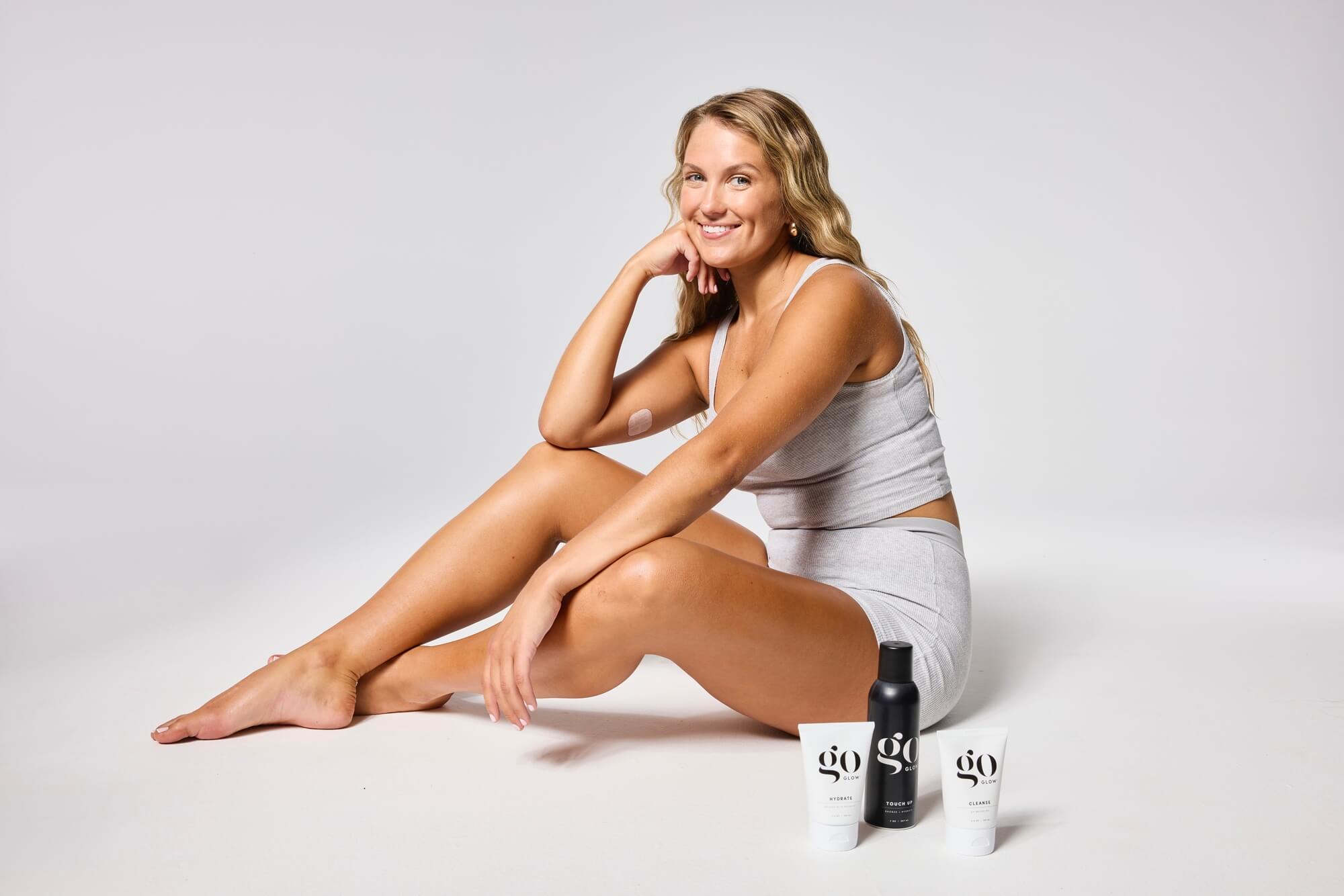
goGLOW’s skincare system was developed to complement its tanning services:
- CLEANSE is a pH-balancing daily cleanser formulated with hyaluronic acid and botanical extracts. It can also be used to safely shave and to use before a goGLOW service appointment.
- HYDRATE is a body butter formulated with ingredients including argan oil, antioxidants, and Omega-6 fatty acids.
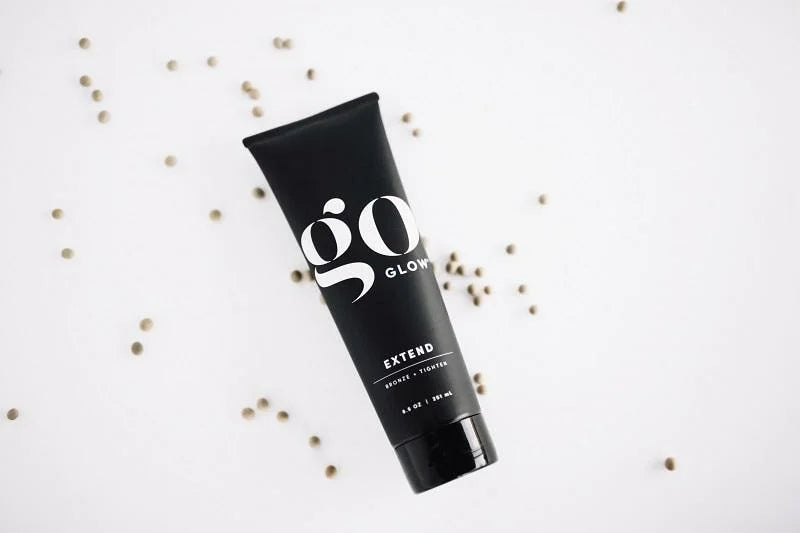
- EXTEND combines moisturization with gradual, buildable sunless color.
Consistent care matters more than trying to rescue severely dry skin the night before an appointment.
Why pH Matters in Spray Tanning
Here’s where spray tanning gets especially interesting.
Research into DHA tanning has found that the reaction between DHA and amino acids can vary according to factors including pH and hydration.
That’s particularly relevant to the goGLOW process.
Before the tanning solution is professionally applied, goGLOW uses a pH-balancing spray to prepare the skin. The company’s methodology is designed around preparing the skin for even application and optimal tanning-solution performance, followed by a moisture-locking finishing spray after the tan.
That makes the pre-tan step more than an afterthought.
It’s part of the service.
What About Barrier Cream Before a Spray Tan?
You may have heard advice about applying barrier cream to elbows, knees, hands, or feet before spray tanning.
goGLOW does not use barrier creams as part of its spray tan sessions.
Barrier creams are associated with older spray-tanning approaches, particularly booth-style techniques intended to limit how much tanning solution collects on certain dry or high-contact areas, and to minimize excess dha absorption and over absorption in those spots.
goGLOW takes a different approach.
Your tan is professionally applied using controlled spray application rather than relying on a barrier cream to compensate for application. The skin is prepared with goGLOW’s pH-balancing spray before the tanning solution is applied, and the service concludes with a moisture-locking finishing spray. The brand’s documented process, carried out by professional spray tan artists in the salon, centers on customized application, pH preparation, and hydration rather than barrier cream, all in support of a flawless spray tan and skin barrier spray tan health.
So if you’re preparing for a goGLOW appointment, don’t assume you need to coat your elbows, knees, hands, or feet with heavy creams beforehand. Follow your goGLOW prep instructions instead.
How Different Barrier States Show Up in Your Spray Tan Results
Once you see your barrier clearly, the way your spray tan solution behaves suddenly makes a lot more sense. The same solution and specialist can look completely different from one part of your body to another, just based on the surface they’re meeting.
On healthy, balanced skin, color tends to:
- Develop evenly from the shoulders to the ankles
- Blend softly at transitions like wrists, ankles, and neck
- Fade in a gradual, “airbrushed” way over five to ten days, supporting a natural looking tan overall
On damaged or over-stripped areas, you’re more likely to notice:
- Darker, rough patches on elbows, knees, and hands, as well as the soles, toenails, and toes
- Speckling or “cracked” color on the chest or in high-movement areas
- Jagged, uneven fade where the skin is already flaking or itchy, often a sign of over absorption in dry areas
On over-oiled or heavily coated zones, common patterns include:
- Lighter or “missing” color where thick oils or butters were applied
- Slippery or streaky areas that never seemed to grab the solution
- Color that rubs off quickly on tight waistbands or straps
If your shins seem to lose color in two days while your ankles stay dark, that’s a thinner, more reactive barrier next to a thicker, drier one.
If your chest looks cracked but your back is flawless, that often reflects more activity, friction, or sun exposure up front. Seeing those patterns as barrier behavior, not personal failure or “bad skin,” helps you and your specialist adjust prep, depth, and rinse timing with much less stress.
A Skin-Barrier-Friendly Spray Tan Prep Routine
The best spray tanning prep starts before appointment day. Hydration before tanning improves skin health and tan application, so use this routine to create a smooth, hydrated canvas without overworking your skin:
- Keep your skincare routine consistent: In the days leading up to your spray tan, prioritize hydration and moisturize regularly, particularly if you’re prone to dry skin or dehydrated skin. Daily moisturization helps maintain the skin barrier during tanning, and a small amount of the right moisturizer applied to other dry spots, like elbows, knees, and the palms and fingers, goes further than a generous, heavy layer would.
- Avoid introducing harsh new products: A scheduled spray tan isn’t the ideal time to experiment with unfamiliar retinoids, exfoliating acids, or other potentially irritating products.
- Exfoliate evenly and gently: Follow your goGLOW preparation instructions and work across the body rather than aggressively scrubbing only the driest spots. Excessive exfoliation can compromise the skin barrier and lead to irritation, so pay particular attention to elbows, knees, ankles, and feet without overdoing it.
- Consider your full routine: Body wash, shampoo, shaving cream, retinoids, exfoliating acids, and alcohol-heavy skincare products can all interact differently with individual skin types. If a product routinely leaves your skin irritated, tight, or flaky, avoid using it immediately before your appointment.
- Discuss sensitivities in advance: Clients with sensitive skin, a history of reactions, or questions about a particular ingredient should discuss those concerns with their spray tan professional and, when appropriate, their dermatologist. A patch test may also be appropriate when there is concern about sensitivity to a cosmetic product.
Maintaining Your Barrier After Your Spray Tan
Good barrier care doesn’t stop once your spray tan is complete.
Because your color resides in the stratum corneum and gradually disappears as those surface cells shed, your aftercare routine influences how your tan looks as it wears, and using gentle cleansers helps protect the skin barrier post-tan. To help maintain your color and support comfortable skin:
- Follow your service-specific instructions: Complete the recommended development and rinse time for your specific goGLOW service before beginning your regular aftercare routine.
- Cleanse gently and moisturize consistently: Avoid unnecessary aggressive exfoliation while you’re trying to maintain your color, since this also helps avoid dark spots and uneven color as your tan develops and fades.
- Limit prolonged heat and soaking: Long, very hot showers and repeated soaking can work against a long-lasting tan. Chlorinated pools and hot tubs may accelerate the appearance of fading, so keep that in mind when planning around vacations, events, or weekends away.
- Use a tan extender when appropriate: A tan extender can help maintain color between appointments. goGLOW EXTEND combines moisturization with gradual self-tanning color and moisturizes dry skin between visits, while TOUCH UP is designed to restore color to areas such as the face, hands, décolleté, and feet.
- Continue using sunscreen: A spray tan is not sunscreen, and DHA-generated color should not be treated as meaningful UV protection. Continue using appropriate sun protection whenever you’re exposed to the sun.
Your Best Spray Tan Starts Before the Spray Gun
It’s tempting to think the secret to a great spray tan is simply finding the perfect bronzer or tanning solution.
The reality starts one layer earlier.
Your stratum corneum is where DHA meets amino acids and produces the melanoidins responsible for sunless color. That means skin barrier health, hydration, exfoliation, and preparation all belong in the same conversation as spray tanning, and the right quantity of care in each step matters more than any single product.
- Exfoliate enough to create a smooth surface without overdoing it.
- Keep dry skin hydrated.
- Use skincare that supports your routine rather than leaving your skin feeling stripped.
- Follow your professional preparation instructions.
- And give your skin consistent care between appointments instead of trying to fix everything the night before.
You can be sure that, when you book with goGLOW, the skin-first philosophy continues during the appointment through personalized consultation, pH-balancing preparation, professional application, and moisture-locking finishing care, the kind of quality every customer should expect and feel suitable to their own skin.
Because when the canvas is cared for, your glow has a better place to develop.