If you have fair or pale skin, getting a spray tan can feel like a bigger leap than it does for someone who already has more natural color. You want a healthy, sun-kissed glow, and not orange hands, an overly dark face, or a shade that doesn’t look like you.
Fortunately, a spray tan for fair skin doesn’t have to look unnatural. The key is customizing the color to your skin tone rather than simply applying a darker formula.
With the right undertone, DHA strength, skin prep, application, and rinse timing, spray tanning pale skin can create subtle, believable color. Here’s how to get the glow you’re looking for while keeping the result natural.
Why Can a Spray Tan Look Orange on Fair or Pale Skin?
Most spray tans and self-tanners use DHA (dihydroxyacetone), an ingredient that reacts with amino acids in dead cells on the outermost layer of your skin to temporarily create a darker color.
On very fair skin tones, even a small color change can be noticeable. That’s why a formula that’s too strong, too warm, or applied too heavily can look dramatically different from your natural complexion.
An orange-looking result typically comes down to factors such as:
- Too much depth: A stronger DHA formula may create more color than you wanted.
- The wrong undertone: A solution that’s too warm for your complexion can look unnatural against pale skin.
- Uneven skin prep: Dry patches, old self-tanner, or leftover products can cause color to develop unevenly.
- Heavy application: Hands, feet, knees, elbows, and the face can look noticeably darker when too much product develops there.
The goal isn’t simply to make fair skin darker. It’s to create a controlled color that complements the skin you already have.
Fair Skin Makes Small Color Differences More Noticeable
Fair skin can make subtle changes in warmth and depth much easier to see. A shade that looks understated on a deeper complexion may appear much stronger against pale skin.
That’s why a conservative first application can be helpful. You can always adjust the depth at future appointments once you know how your skin develops and fades.
Understanding Fair Skin, Undertones, and the Fitzpatrick Scale
Choosing a natural-looking spray tan for pale skin starts with understanding that “fair” isn’t one universal color.
Type I and Type II Fitzpatrick Skin Types
The Fitzpatrick scale classifies skin partly according to how it responds to UV exposure, with most people with fair skin falling into these two categories:
- Type I skin typically burns easily and tans minimally.
- Type II skin also tends to burn easily, but may develop some tan.
That information can provide useful context, but your Fitzpatrick skin type isn’t a spray-tan shade chart. Your natural coloring, undertones, desired result, and previous tanning experiences should all influence your spray tan.
One benefit of a professional spray tan is that you can achieve a sun-kissed glow without relying on tanning beds or intentional UV exposure.
Look at Your Undertone, Not Just How Pale You Are
Your undertone is the subtle coloring underneath your surface skin tone. Fair complexions can have cool or rosy, neutral, warm, or peachy, and sometimes neutral or olive undertones.
Matching the spray-tan solution to those undertones can make the finished color look much more believable.
For example, someone who naturally flushes pink may need a different formula than someone with warmer or olive undertones, even if both people have similarly pale skin.
Start With a Conservative DHA Strength
For fair skin tones, more DHA doesn’t automatically mean a better tan.
A lighter formula can create a visible golden tan without making your complexion jump several shades at once. Starting conservatively also lets your spray tanning professional see how your skin develops the color before making adjustments at future visits.
Think of the first appointment as establishing your baseline. It’s easier to add a little more depth next time than to correct a tan that feels much darker than you wanted.
How to Prepare Fair Skin for a Spray Tan
Good preparation can make the difference between smooth, even color and a tan that grabs onto dry areas.
24–48 Hours Before: Exfoliate
Gently exfoliate to remove dead skin and remnants of old self-tans. Pay particular attention to knees, elbows, ankles, and other areas where color tends to collect.
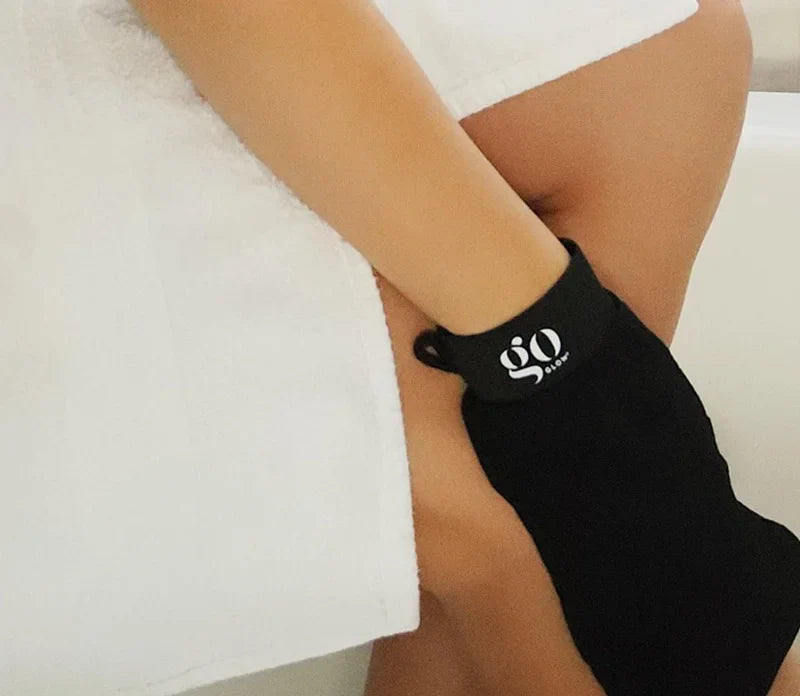
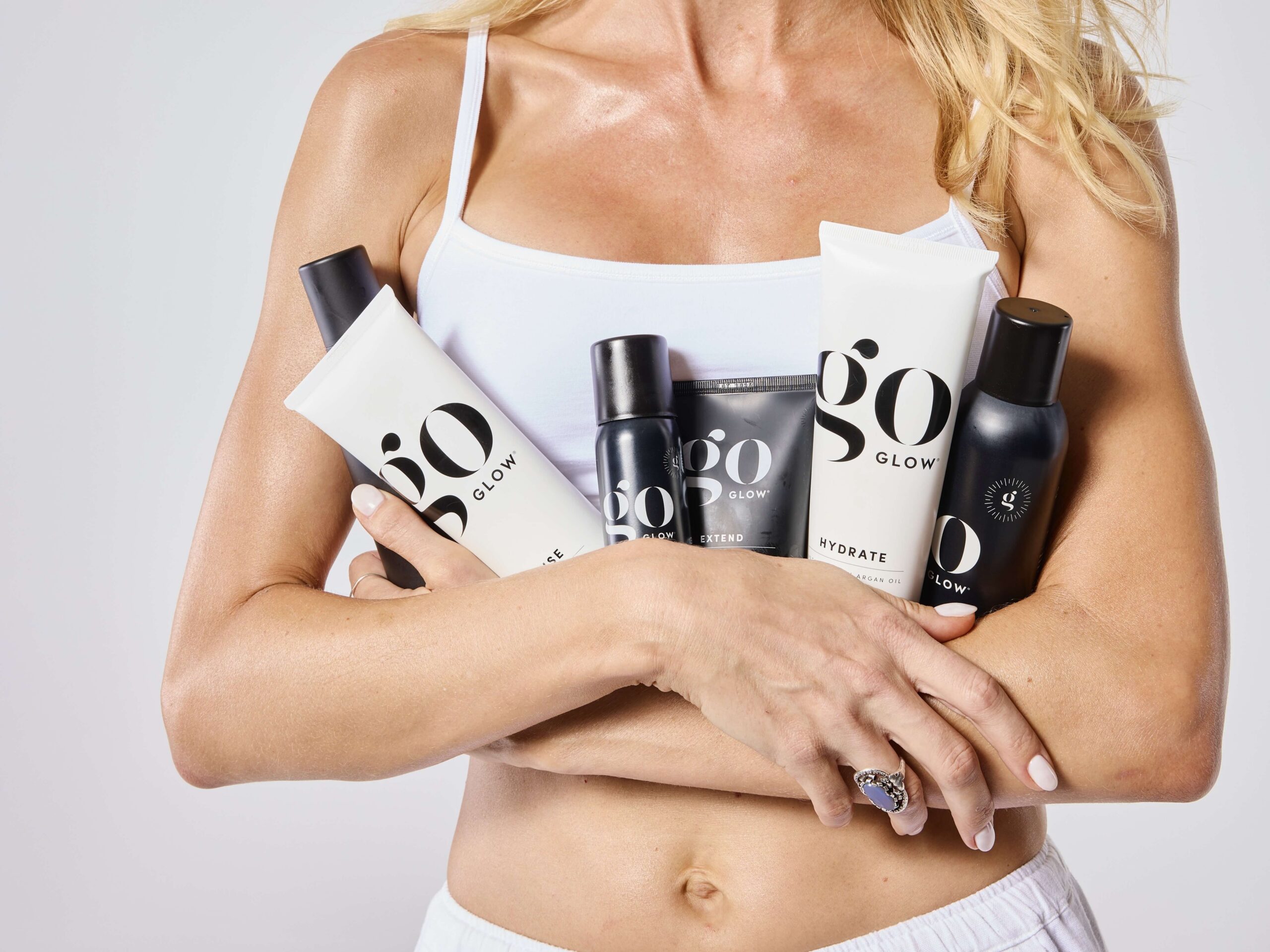
An exfoliating mitt, like goGLOW’s EXFOLIATE, or a gentle scrub can help, but don’t aggressively scrub or irritate your skin. The objective is an even surface, not freshly sensitized skin.
12–24 Hours Before: Shave or Wax
Complete shaving or waxing ahead of your appointment so your skin has time to settle.
If your skin tends to be dry, keep it appropriately moisturized in the days leading up to your tan rather than waiting until the last minute to address dry patches. You can use goGLOW’s HYDRATE to keep your skin supple and healthy.
Avoid aggressive scrubs, shaving creams, or cleansers that can irritate and dry your skin.
We recommend goGLOW’s CLEANSE, which can be used before your appointment and can even be used to shave with!
Day of Your Appointment: Arrive With Clean Skin
Before your appointment, follow your studio’s preparation instructions. In general, heavy body lotion, oils, deodorant, perfume, and other products can leave residue that interferes with even development.
How Dark Should a Spray Tan Be on Pale Skin?
For many fair-skinned clients, the most natural result comes from making a smaller change than they initially expect.
Instead of focusing only on “light” versus “dark,” decide what you actually want the finished tan to look like.
Choose the Kind of Glow You Want
A useful way to describe your goal is:
- Still fair, but refreshed: Your natural skin tone remains obvious, with just a subtle hint of warmth.
- Lightly sun-kissed: The color is noticeable but still soft and believable.
- Soft golden tan: A more visibly bronzed result without overwhelming your natural coloring.
If you’re uncertain, start lighter. Building more color at a future appointment is easier than trying to remove a result that’s too dark.
Check the Face, Chest, Hands, and Wrists
Some areas reveal an overly dark spray tan faster than others.
Your face should blend naturally with your neck and chest, while your wrists and hands should transition smoothly into your arms. Keeping the face, hands, and feet slightly softer can help the overall result look more natural.
These are also areas where professional application can make a noticeable difference.
Why Professional Application Matters More With Fair Skin
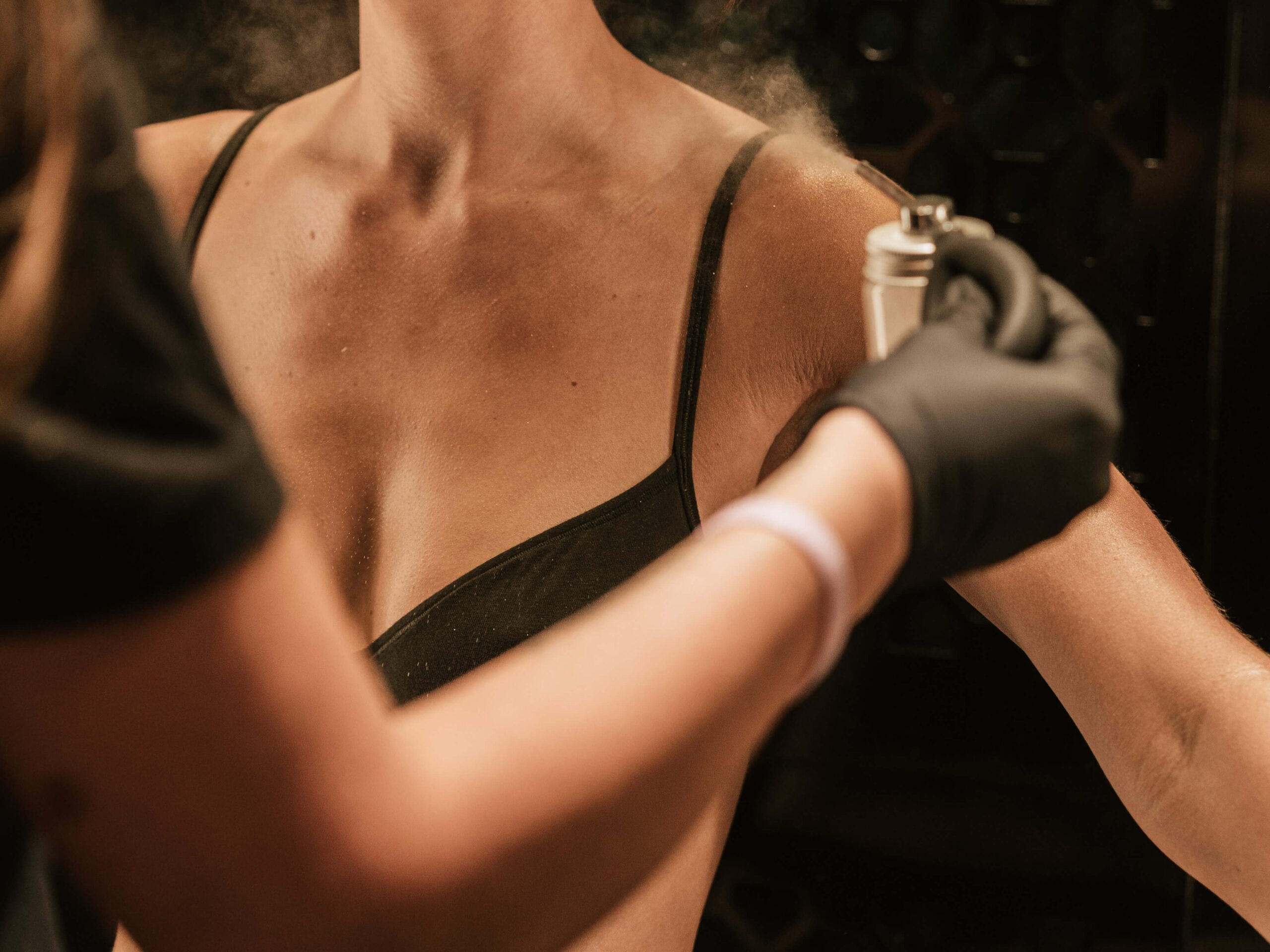
With pale skin, precision matters. A professional spray tan gives the specialist more control over solution choice, application density, number of passes, and how much color is applied to different areas.
Use Less Product on “Giveaway” Areas
Hands, feet, wrists, ankles, knees, elbows, and the face often benefit from a lighter application.
If you’ve had orange hands, dark knees, or an overly bronzed face before, tell your spray tanning professional during your consultation. That information can help them adjust their application rather than repeating a standard approach.
Keep Contouring Subtle
If contour is part of the service, fair skin generally benefits from restraint.
A little extra dimension around areas such as the collarbones or legs can enhance the result without making it look painted on. Depending on the client’s coloring and desired look, a professional may also adjust application or use specialized color-correcting techniques to keep the overall color balanced.
Rapid vs. Traditional Spray Tans for Fair Skin
Both rapid and traditional spray tans can work on pale skin. The important factors are the formula, application, and following the correct rinse instructions.
A Rapid goGLOW spray tan, for example, gives you an earlier first-rinse window while the color continues developing afterward.
This can be appealing to someone nervous about going too dark because the rinse timing can be planned conservatively.
A traditional, Single goGLOW tan remains on the skin longer before the first rinse and can also produce a soft result when the DHA strength and undertone are appropriate.
Neither option is automatically better for fair skin. Your schedule, desired depth, formula, and professional’s recommendations should determine which is right for you.
How to Make a Spray Tan Last on Fair or Pale Skin
Once you’ve achieved the right color, your aftercare routine can help it fade more evenly.
- Moisturize regularly: Keeping skin hydrated with an appropriate moisturizer, like HYDRATE, or body lotion, can help your color look smoother as it fades.
- Avoid unnecessary exfoliation: Aggressive scrubs or exfoliating tools can remove the outer skin cells where your spray-tan color sits.
- Pat your skin dry: Aggressive towel rubbing creates additional friction and exfoliation.
- Be mindful of swimming and hot showers: Long periods in water and repeated hot showers can contribute to faster fading.
- Don’t aggressively scrub uneven areas: If something doesn’t look right, ask your studio about the best way to correct it.
- Follow your studio’s reapplication guidance: Allow the previous tan to fade appropriately and prep your skin before your next application.
Consistent, gentle aftercare usually works better than trying to preserve every last bit of color.
Remember: A Spray Tan Doesn’t Protect Fair Skin From the Sun
A spray tan creates cosmetic color; it doesn’t provide reliable protection from UV rays.
Even if your skin looks bronzed, continue practicing appropriate sun protection.
That includes using broad-spectrum sunscreen when you’re exposed to the sun and following the sunscreen’s directions for application and reapplication.
An SPF 30 or higher is commonly recommended for sun protection, while some people may choose SPF 50+ depending on their skin, activity, and professional guidance.
Most importantly, don’t treat a spray tan as permission for additional sun exposure.
Avoiding tanning beds, unnecessary midday exposure, and UV overexposure remains important even when your skin looks tan.
What Should You Look for in a Fair-Skin-Friendly Spray Tan Studio?
The best results come from a studio that treats fair skin as something to customize, not simply the lightest setting on a standard formula.
Look for a professional who takes time to:
- Evaluate your natural skin tone and undertones.
- Ask about previous spray tans, fake tans, or self-tanner experiences.
- Discuss how subtle you want your color.
- Customize solution depth and application rather than defaulting to one formula.
- Apply less product where pale skin tends to reveal overapplication.
- Give you clear preparation, rinse, moisturizing, and aftercare instructions.
- Use what they learn from each appointment to refine your future results.
At goGLOW, the process begins with a custom consultation so the spray tan can be tailored to clients’ skin tones and desired results. Rather than chasing the darkest possible color, the goal is a customized glow that works with your complexion.
Get a Natural-Looking Glow That Still Looks Like You
Having fair or pale skin doesn’t mean you have to choose between staying completely pale and getting a spray tan that looks orange.
Natural-looking color comes down to getting the details right: the right undertone, conservative depth, good prep, controlled application, and proper aftercare.
If it’s your first spray tan for fair skin, start with the look that feels comfortable to you and refine it over time. A professional can learn how your skin develops color and make small adjustments until you’ve found your ideal formula.
Ready to find your glow? Book your goGLOW and talk with your goGLOW professional about creating a customized spray tan that complements your natural skin tone.