Spray tanning is one of the most popular sunless tanning options for achieving tanned skin without the risks of UV radiation, tanning beds, or prolonged sun exposure. But if you’ve recently had waxing or laser hair removal, it’s completely normal to wonder whether spray tanning, or using self-tanning products, is safe for your skin.
These are minimally invasive cosmetic procedures, and while they’re common, they temporarily affect the skin’s surface, hair follicles, and skin pigment. Timing matters. Applying a spray tan, fake tan, or self-tanning lotion too soon after certain skin treatments can impact both safety and results.
This guide breaks down what’s safe, what to avoid, and how to plan your spray tanning session after waxing or laser hair removal so you can achieve flawless results without irritation, redness, or unwanted skin reactions.
Is Spray Tanning After Waxing or Laser Hair Removal Safe?
In short: yes, spray tanning after waxing or laser hair removal can be safe, but only when your skin has had enough time to recover.
Both waxing and laser hair removal affect the hair follicle and surrounding skin. Waxing removes hair from the root, while laser treatment uses laser energy and laser beams to target melanin within the follicle. Although these treatments are considered safe when performed by professionals, they temporarily leave the skin more sensitive to heat, pigment changes, and irritation.
Spray tanning, sunless tanning products, and self-tanners do not involve UV exposure or sunlight, but they still rely on topical application and skin contact. Applying a tanning solution too soon can lead to uneven color, irritation, or heightened redness, especially on freshly treated skin.
Skin care experts, med spas, and institutions like the National Laser Institute consistently emphasize allowing appropriate healing times between cosmetic treatments. When skin tone has returned to normal and there’s no lingering redness or sensitivity, spray tanning can be safely resumed with professional guidance.
How Waxing Affects Your Skin Before a Spray Tan
Waxing is a common and effective hair removal method, but it has a direct impact on the skin that must be considered before any tanning treatments.
What Happens to the Skin During Waxing
During waxing, hair is removed directly from the follicle, which briefly opens pores and can cause mild inflammation. It’s common to experience:
- Redness and warmth
- Sensitivity around hair follicles
- Temporary changes in skin tone
- Slight swelling or irritation
When spray tanning or applying self-tanning products too soon, the tanning solution can settle unevenly around follicles, creating darker dots or patchy-looking areas. This doesn’t mean spray tanning is unsafe; it just means the skin needs time to calm before application.
Waxing-related redness can also affect how DHA interacts with skin pigment, which may impact final results.
How Soon Can You Get a Spray Tan After Waxing?
Most professionals recommend waiting at least 24 to 48 hours after waxing before scheduling a spray tan appointment.
This waiting period allows:
- Hair follicles to close
- Redness and heat to subside
- Skin tone to normalize
- Better, more even application
Allowing proper recovery time supports smoother tanning application and more flawless results, whether you’re spray tanning at a salon or using sunless tanning products at home.
Spray Tanning After Laser Hair Removal: What You Need to Know
Laser hair removal is a highly effective cosmetic treatment, but it places more stress on the skin than waxing. Because laser hair removal uses laser energy and laser beams to target melanin within the hair follicle, the surrounding skin temporarily absorbs heat during each laser session.
This is why extra caution is required before introducing any tanning treatments, spray tan, self-tanning lotions, or fake tan, after laser hair removal.
How Laser Hair Removal Impacts the Skin
During laser treatment, a laser device emits controlled laser beams that use specific laser settings and laser technologies to target pigment in the hair follicle. While modern medical aesthetic technologies are designed to protect surrounding tissue, the skin can still experience:
- Redness and warmth
- Increased sensitivity
- Temporary inflammation
- Changes in skin pigment
Facial laser hair removal can be especially sensitive due to thinner skin and higher melanin concentration in the face. Applying sunless tanning products too soon can increase the risk of irritation, hyperpigmentation, or uneven skin tone.
For this reason, med spas and skin care experts emphasize strict post-treatment care following laser sessions.
When Is It Safe to Spray Tan After Laser Hair Removal?
Most professionals recommend waiting at least 5 to 7 days after laser hair removal before spray tanning, depending on your skin type, the laser energy used, and how your skin responds.
You should only schedule a spray tanning session once:
- Redness has fully resolved
- Skin feels calm, not warm
- There are no burns, blistering, or scabbing
- Skin tone has returned to normal
Always follow guidance from your laser provider or med spa, especially if your treatments are ongoing.
Why Timing Matters for Spray Tanning After Hair Removal
Timing is the single most important factor when combining spray tanning with waxing or laser hair removal. Even the safest sunless tanning products rely on healthy, intact skin for predictable results.
After hair removal treatments, skin may be more reactive to heat, topical application, and friction. Applying a spray tan or self-tanner too early can lead to:
- Dark dots around hair follicles
- Uneven absorption of tanning solution
- Blotchy or streaky results
- Increased redness or irritation
Because tanning solution interacts with the outer layer of skin, compromised skin can cause uneven color development, regardless of whether the application is done professionally or at home.
Laser-treated skin is also more vulnerable to pigment changes, which is why sun exposure, UV radiation, and sunlight are strictly discouraged during healing. While spray tanning avoids UV exposure, it should still be delayed until the skin has fully recovered.
Spray Tanning vs. Sun Exposure After Hair Removal
Unlike UV tanning or tanning beds, spray tanning does not increase UV damage or skin cancer risk. However, combining hair removal treatments with sun exposure or UV exposure increases the risk of:
- Hyperpigmentation
- Burns
- Long-term skin pigment changes
- Scarring
Sun safety remains critical after waxing and laser treatments. Skin care experts recommend avoiding direct sunlight and using photoprotection strategies such as SPF 30+ or broad-spectrum sunscreen with SPF 30 or higher once skin is healed.
Choosing spray tanning over UV tanning is the safer alternative, but only when the skin is ready.
How to Prep Your Skin Safely After Waxing or Laser Treatments
Proper skin prep after waxing or laser hair removal is essential before any spray tanning appointment. Giving your skin time to heal and treating it gently during that window helps prevent irritation, uneven pigment, and compromised results.
Whether you’re planning a professional spray tan or considering sunless tanning products at home, preparation should always come second to skin recovery.
What to Do Before Your Spray Tan Appointment
Once your skin has fully healed, you can begin preparing for spray tanning safely.
Key prep steps include:
- Wait until all redness, warmth, or sensitivity has fully resolved
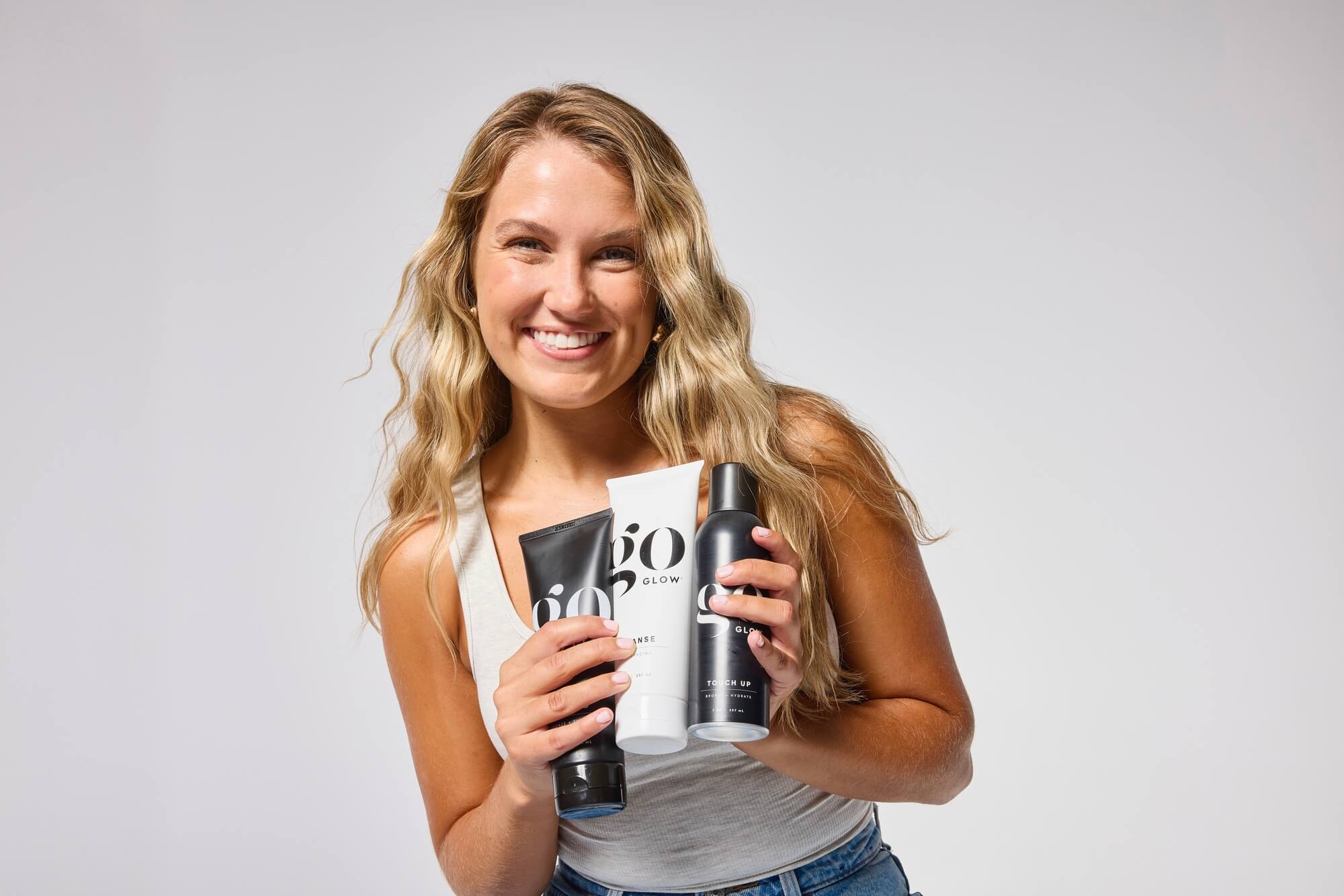
- Keep skin clean and calm in the days following waxing or laser sessions using products like goGLOW’s tan-safe CLEANSE body wash.
- Avoid heat, intense workouts, and hot showers that may prolong irritation
- Maintain light hydration without heavy or fragranced products, like goGLOW’s HYDRATE lotion.
If you’ve had laser hair removal, especially facial laser hair removal, follow all guidance from your med spa or laser provider before scheduling your spray tanning session. Laser settings, laser energy levels, and laser technologies vary, which can affect individual healing times.
What to Avoid Before Your Session
Certain habits can increase the risk of irritation or uneven spray tan results after hair removal treatments.
Avoid:
- Exfoliating too soon after waxing or laser treatment
- Using self-tanning lotions, fake tan, or self-tanners before your appointment
- Sun exposure, UV radiation, or sunlight during healing
- Applying sunscreen, deodorant, or fragranced products to treated areas until the skin is fully calm
Once skin has healed, exfoliation can be reintroduced gently to smooth the surface and prepare for application. At goGLOW, spray tan specialists assess skin condition during each appointment to ensure it’s ready for tanning treatments and safe application.
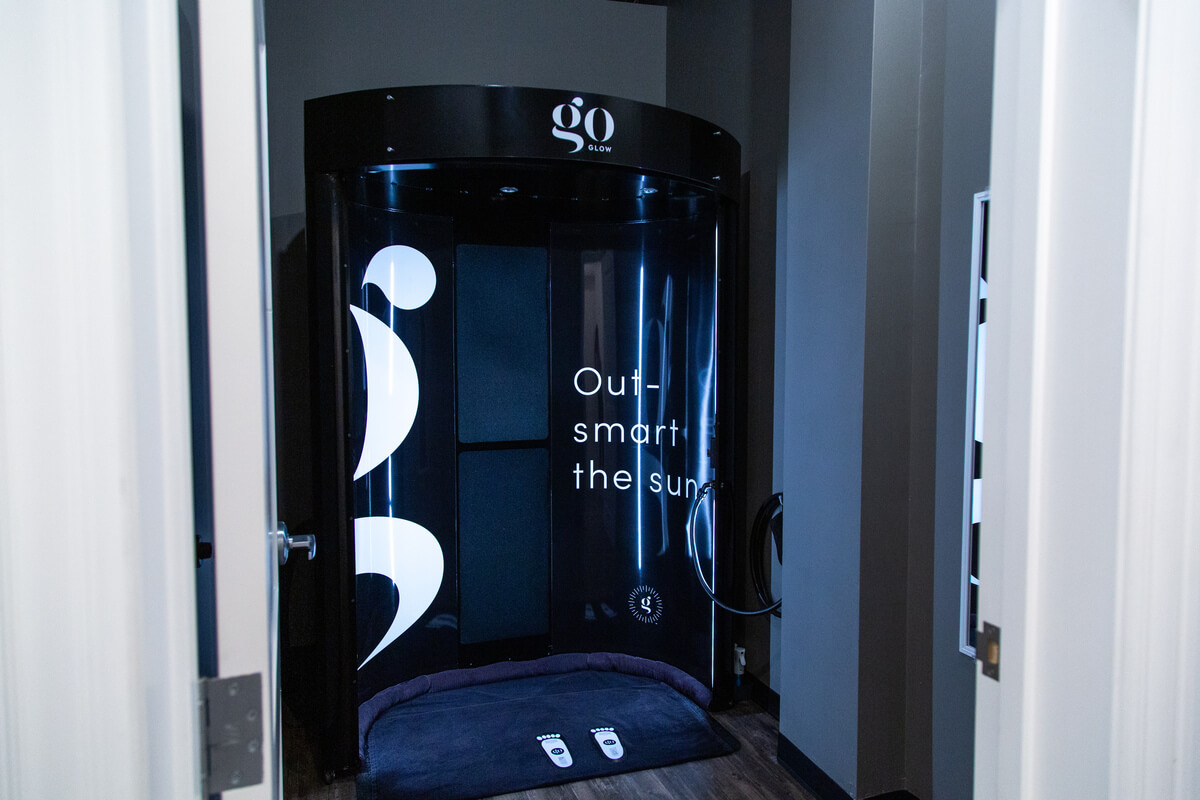
How goGLOW Keeps Spray Tanning Safe After Hair Removal
At goGLOW, spray tanning is always approached with skin health first, especially for clients who’ve recently had waxing or laser hair removal. Safety, timing, and customization are built into every session.
Professional Assessment Before Every Spray Tan Session
goGLOW spray tan artists are trained to evaluate skin condition before application. If skin shows signs of lingering redness, irritation, or sensitivity, the session may be adjusted or rescheduled to protect your skin and your results.
Each professional spray tanning session takes into account:
- Recent cosmetic treatments or laser sessions
- Skin type and skin tone
- Sensitivity levels and healing progress
- Desired results and upcoming events
This individualized approach ensures the tanning solution is only applied when the skin is ready, helping prevent hyperpigmentation, hypo-pigmentation, or uneven absorption.
Skin-Friendly Formulas and Controlled Application
goGLOW uses skin-friendly tanning solutions designed to work with the skin, not stress it. Application is carefully controlled to ensure even coverage without excess product buildup, which is especially important after hair removal treatments.
Professional techniques focus on:
- An even, controlled application
- Minimal friction on sensitive areas
- Avoiding over-application around hair follicles
- Supporting natural-looking, even results
goGLOW combines expert technique with education and transparency, helping clients achieve flawless results safely, without compromising skin health or healing times.
Frequently Asked Questions About Spray Tanning After Waxing or Laser
Can I get a spray tan on the same day I wax?
Spray tanning the same day as waxing is not recommended. Waxing removes hair from the follicle and leaves the skin temporarily inflamed, warm, and more reactive. Applying a spray tan or self-tanning products too soon can cause darker dots around hair follicles, uneven pigment, or irritation.
For best results, wait at least 24–48 hours after waxing before scheduling your spray tan appointment.
Can spray tanning damage laser-treated skin?
Spray tanning itself does not use UV radiation and does not damage the skin when applied to healthy, healed skin. However, laser-treated skin is more sensitive due to recent exposure to laser energy and heat.
Applying tanning solution too soon after laser hair removal can interfere with healing times and increase the risk of redness or uneven results. Always wait until skin has fully recovered and follow your provider’s guidance.
Will spray tanning affect my laser hair removal results?
No. Spray tanning does not interfere with laser hair removal results as long as it’s done after proper healing. Sunless tanning products do not penetrate the skin or affect the hair follicle once laser sessions are complete.
However, using fake tan, self-tanners, or spray tanning too close to upcoming laser sessions can interfere with laser targeting, as lasers rely on melanin contrast. Most providers recommend avoiding all tanning—real or fake—before laser treatments.
Can I use self-tanner instead of a professional spray tan after hair removal?
Self-tanning products and self-tanning lotions follow the same safety rules as professional spray tanning. If skin is still irritated, sensitive, or healing, it’s best to wait.
Professional spray tanning offers the advantage of expert assessment, controlled application, and customized results, which can be especially helpful after cosmetic treatments.