You’ve probably heard strict rules about spray tanning prep: never moisturize, oils ruin everything, just show up with “clean” skin. You do your best, follow what you remember, and still end up with patchy ankles, pale underarms, or a glow that fades in three days after your visit to a tanning salon. It’s easy to wonder whether it’s your skin, your products, or the service.
Most of the time, it isn’t any of those in isolation. It’s timing, texture, and how products sit on the surface of your skin. What lives on top of your skin, what’s inside those products, and when you use them can quietly change how your color develops, how even it looks, and how long it lasts.
This guide walks you through what lotions and oils really do, which ingredients are most likely to interfere, and expert tips for a simple prep routine you can actually do, so your next Single goGLOW or Rapid goGLOW feels predictable instead of like a guess.
What Lotions and Oils Are Really Doing On Your Skin
Lotions and oils are not automatically “bad” for a spray tan. The real issue is heavy, film‑forming formulas used too close to your appointment, because they leave a residue that can block or redirect the spray tan solution on your skin.
Lighter, oil-free lotions and fast‑absorbing products mostly sink in and support comfortable skin; thick creams, balms, and oils tend to sit on top and change how evenly your tan develops.
How Oily Products Interfere With A Spray Tan
Lotions, creams, butters, deodorants, and body mists can all leave different textures behind because products rich in oils, butters, or silicone‑like ingredients are more likely to sit on the skin rather than sink fully into it.
When your goGLOW specialist mists sunless tanning solution over the top, that film of surface oils can redirect where droplets land, how they spread, and how much DHA actually reaches your skin. A surface that looks and feels “dry” to you can still have a microscopic layer that pushes tanning solution away in some spots and pulls more into others.
Common culprits include heavier products like coconut oil, shea butter, silicones, and dense essential oils. While these skin-loving ingredients are great for daily hydration—and moisturizing regularly is essential for healthy, even skin—they can leave a subtle barrier on the outermost layer that interferes with how your spray tan fully develops. Instead of absorbing evenly, the solution may shift across the surface, especially around knees, ankles, and wrists—creating sharp borders and the “dirty ankle, pale instep” effect many people recognize, while on smoother areas like the outer thighs, the same product may cause little to no visible issue at all. For the most even, sun-kissed glow, it’s best to use these products after your appointment, not immediately before.
Skin Types Matter in a Tanning Session
Your body also changes how any residue behaves. Thicker skin, more body hair, more sweat, a higher pH balance, or naturally oilier skin can all change how that film spreads.
Different skin types respond differently which is why copying a friend’s “I always use body oil before a tan” ritual can give them a glow and leave you streaky.
In the studio, we see this every week: two people using the same product, two very different results. Nothing is wrong with you; your surface is simply different, and your products deserve slightly different timing.
Your Skin Barrier, Moisture, and Why It Matters for Tanning
A calm, well-hydrated skin barrier is one of the biggest predictors of how smoothly and evenly your sunless tanning products develop—and how long your color lasts. That’s why keeping your skin hydrated in the days leading up to your appointment isn’t optional; it’s the foundation of a flawless sunless tan and one of the most important steps professional spray tan artists recommend.
When the barrier is healthy, the surface appears even and feels comfortable, allowing DHA absorption to develop more uniformly.
If you have rough, irritated, or dry skin, those flaky problem areas grab extra color and shed it in patches, which is where “dirty elbows” and uneven fade usually come from.
How to Pick the Right Moisturizer
Moisturizers are divided into three main families: humectants (water‑lovers like glycerin and amino acids), emollients (smoothers), and occlusives (thick film‑formers like oils, waxes, and butters).
- Humectants: In the days leading up to a spray tan, oil-free moisturizers like humectants and gentle emollients are your best friends. They soften rough edges and even out texture so DHA doesn’t “cling” in dry spots. Ingredients like aloe vera work beautifully here; calming, lightweight, and unlikely to leave any surface film that interferes with your spray tan formula.
- Occlusives: These are useful too, but their timing matters more. They make sense overnight or on off‑days when you’re rebuilding comfort, not right before you step into the spray room. Used heavily in the hours before your tan, they are more likely to behave like a barrier between solution and skin, especially over bony or naturally dry areas.
- HYDRATE: goGLOW’s HYDRATE is a thin, Argan Oil-based moisturizer that stands out among occlusives. Argan oil absorbs quickly without leaving any greasy residue and is safe to have on your skin before a goGLOW airbrush tan session.
Moisturizing for Skin Conditions
If you live with eczema, dermatitis, or other barrier concerns, that “mortar” between your skin cells is already weaker in places. Those spots can be both drier and more reactive.
They’re more likely to grab extra pigment and to complain if you scrub too hard. For that skin, barrier‑supporting moisture in the 24–48 hours before your spray tan is almost non‑negotiable, while thick balms right before a session are best saved for another night.
If you’re using dermatologist‑prescribed creams, it’s safest to follow your prescriber’s guidance first and adjust any spray tan plans around that.
When you feel comfortable, sharing a simple list of the products you use with your sunless tan specialist helps them avoid fragile areas during the application process or suggest whether it’s better to adapt your tan or reschedule until your skin is calmer.
In the studio, we see the biggest difference in comfort and longevity when barrier health is treated as part of your glow plan. This is general tanning education, not medical advice.
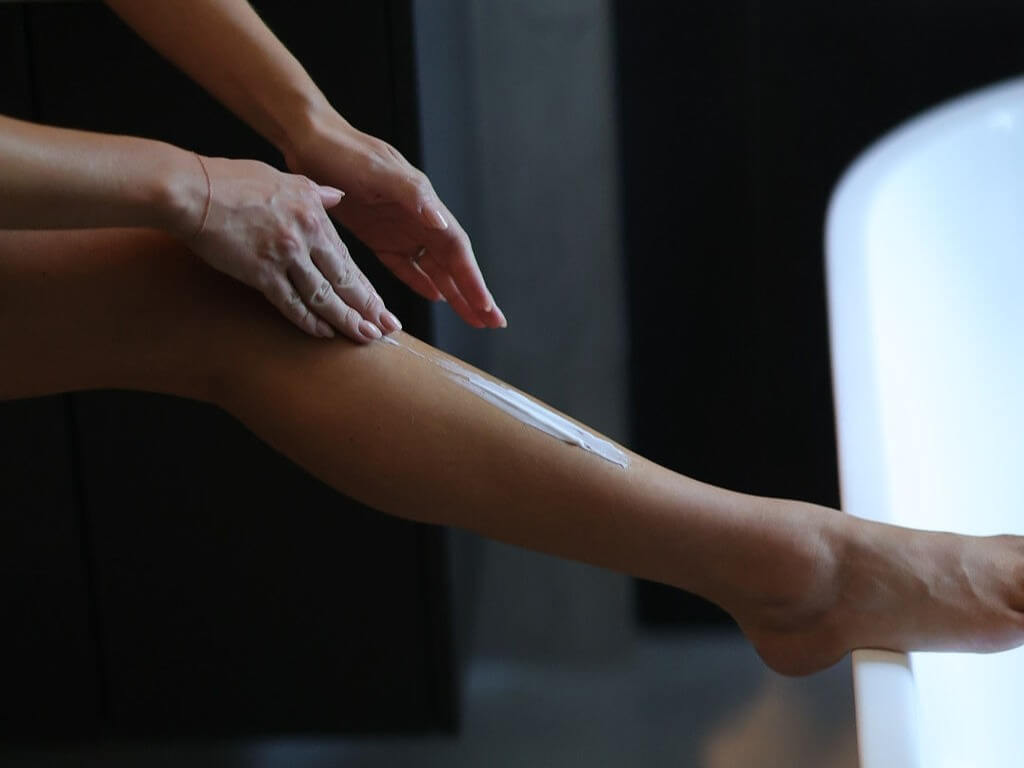
What Really Goes Wrong When Pre‑Tan Products Interfere
When a spray tan doesn’t look the way you hoped, the pattern on your skin often points directly to the cause. Most “bad tans” are really “bad product timing”: wrong texture, wrong place, wrong moment before your appointment. Understanding those patterns helps you fix the routine instead of blaming your skin.
Some clients ask about using a tanning lotion or gradual tan to “pre-load” color before a professional appointment, especially to even out skin tone ahead of time. While these products can help over time, they can also leave behind residual DHA or heavier ingredients that interfere with how a professional spray tan solution develops on the skin. If not properly removed—especially if you’ve recently used or tried to apply lotion before your spray tan appointment—this can lead to unpredictable or uneven results.
Common patterns and likely culprits often look like this:
- Dark dots on shins and thighs – shaved right before your visit, then moisturized with a heavy barrier cream that pulled more solution into each follicle.
- Pale rings under the arms – antiperspirant or thick zinc‑based deodorant still sitting on the surface as a solid barrier.
- Patchy chest or inner arms – strong body acids or retinoids used shortly before your spray tan, speeding up cell turnover (more dead cells fall off) in thin, reactive areas.
- Dark knees, elbows, or ankles – very dry joints left un‑hydrated until the last minute, then coated in thick balm just before your session.
Keep Your Skin’s pH Balance in Check
pH‑shifting products add another layer. Many “resurfacing” body lotions, exfoliating scrubs, and stronger body washes change the natural acidity at the surface of the skin.
The absorption of DHA—the active ingredient in most spray tan formula products—is more efficient in a slightly acidic environment. If the skin is pushed too far in either direction or aggressively thinned right before your spray tan, you might see strange undertones, faster‑than‑normal fade, or both, especially on thinner areas like the chest or inner arms.
Remember to Adjust Your Lifestyle Before a Session
Real life also gets in the way.
You forgot you used body oil that morning. You train hard and arrive warm and damp. You shaved, exfoliated, and moisturized ten minutes before rushing out the door. None of that makes you a “bad client”; it simply means your specialist is working against more variables.
Once they know what’s on your skin, they can adjust how much solution they use, how closely they spray, and how they talk about expected fade. In some situations, as a thick oil applied an hour before, rescheduling will almost always give you a better outcome.
From what we’ve seen, the best results come when you tell your specialist exactly what you’ve used, even if it feels “wrong.” If you’re ever unsure whether something you’ve applied might interfere, saying it out loud during your consultation is one of the easiest ways to protect your result. Most professional studios would rather adapt or rebook you than deliver a glow that doesn’t feel like your best.
Ingredients in Lotions and Oils Most Likely to Disturb a Tan
Not every lotion or oil is a problem. A few specific ingredient families cause most of the issues when they’re used too close to your goGLOW session.
When you recognize these groups, you can usually solve the problem by changing timing, not throwing out everything in your bathroom.
Heavy Occlusives
As mentioned earlier, heavy occlusives form a water‑resistant seal on top of your skin. That’s perfect for locking in moisture overnight, but less than ideal for right after your spray tan session.
Think thick body butters in jars, ointment‑style balms, classic “baby oil” finishes, and rich hand or foot creams.
The occlusives you need to avoid the most before a spray tan are:
- Mineral oil, petrolatum, and paraffin wax – sit on the surface and repel water‑based solutions.
- Dense butters in thick layers – shea butter, cocoa, and similar textures can behave like cling film.
- Rich balms and ointments – especially on hands, feet, elbows, and knees.
Used the night before and washed off with a gentle cleanser like goGLOW’s CLEANSE, they can support comfort.
Left on for an hour before your appointment, they often cause beading, sliding, and sharp color borders.
If you’re looking for a spray tan-safe alternative to many of these oil-based moisturizers, goGLOW’s HYDRATE is the perfect solution. Formulated with thin, fast-absorbing argan oil, this body butter is safe to apply during your morning exfoliating/hydrating routine before you visit a professional spray tanning salon.
Strong Exfoliating Actives
These ingredients speed up how quickly those surface dead skin cells shed. That’s helpful for texture and pigmentation work, but not ideal just before or after a sunless tanning session. They often show up in “renewing,” “smoothing,” or “resurfacing” skincare products, scrubs, or body washes.
- Lactic, salicylic, and glycolic acids – common in resurfacing body lotions.
- Body retinoids – increase cell turnover and can make skin more reactive.
- Stronger body scrub‑plus‑acid combinations – double up on exfoliation pressure.
Used right before or right after a spray tan, these often lead to fast, patchy fade, especially on thinner or already sensitive skin.
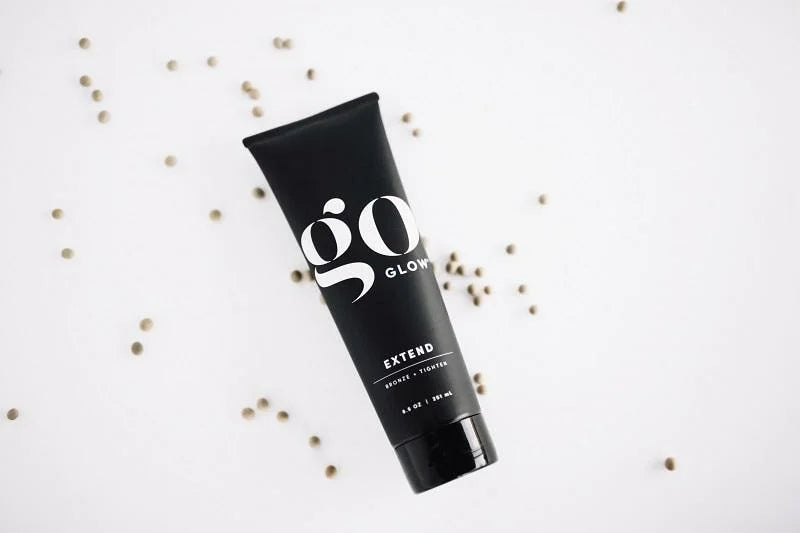
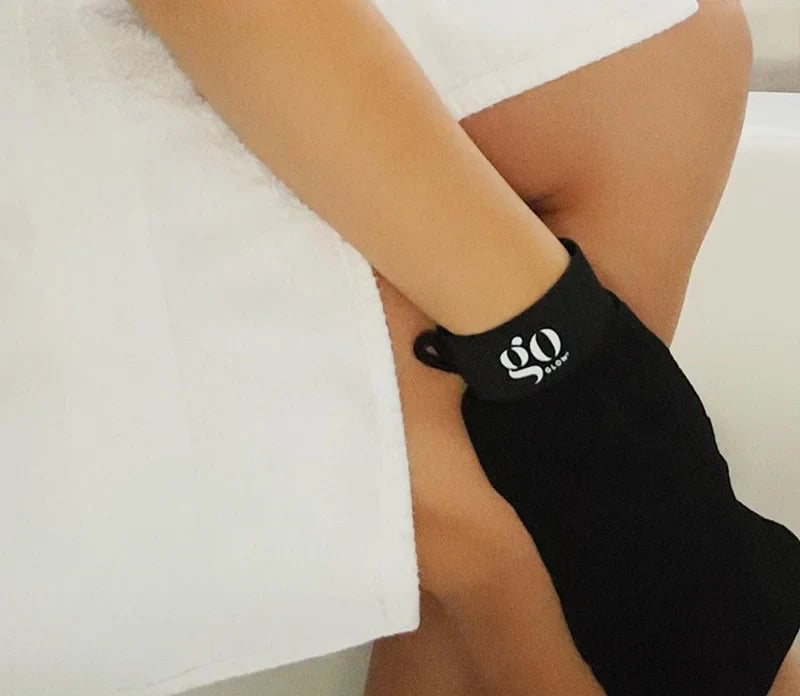
Instead, use goGLOW’s EXFOLIATE Mitt, which needs only warm water and your own pressure to gently scrub away any skin impurities or residue that will prevent a long-lasting tan.
Irritants and Strong Fragrance
Fragrance blends, some preservatives, and certain dyes don’t directly break down DHA, but they can irritate already‑worked‑over skin.
Redness, itch, and micro‑flaking then show up as “bad tan” rather than “unhappy barrier.” On the positive side, many barrier‑supporting lipids and non‑exfoliating actives play well with sunless tanning when used at the right times.
If you’re not sure which category a favorite product falls into, you don’t need to become a formulator. Bringing it up with your specialist, or even snapping a label photo before your visit, gives them enough information to help you decide whether to keep, pause, or reschedule that step around your glow.
We build these conversations into consults all the time; you’re not “overthinking it” by asking.
Timing and How to Prepare
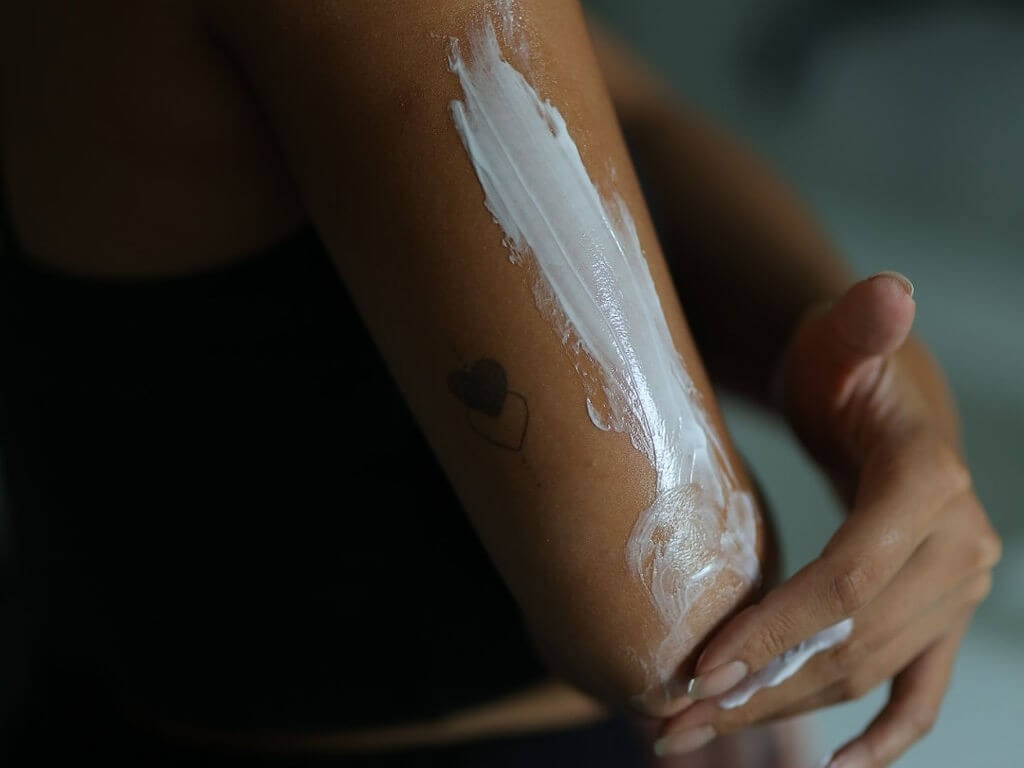
Once you understand what’s happening on your skin, prep can be simple and kind rather than strict and stressful. Most people do best with earlier exfoliation, steady hydration, and a lighter hand with products on tan day itself. The goal isn’t perfection, but giving your specialist a calm, clean, comfortable surface to work with so your glow looks like an easy extension of your own skin. Here is how a realistic pre‑tan timeline can look in practice.
A simple 48‑hour prep timeline
- About 48 hours before: Gentle full‑body exfoliation (for example, with EXFOLIATE Mitt) and any shaving or waxing, followed by a light, non‑active moisturizer.
- Around 24 hours before: Cleanse with something gentle like goGLOW’s body wash, CLEANSE, moisturize again with a fast‑absorbing lotion or HYDRATE, and skip strong acids or body retinoids.
- Day of your tan: Lukewarm shower if you need it, rinse thoroughly, then skip deodorant, perfume, heavy body oils, and thick creams. Arrive with clean, dry skin; a thin layer of tan‑friendly moisturizer on very dry joints is usually better than leaving them rough.
That being said, real life doesn’t always allow for a perfect two-day lead-in. On those weeks, a “good enough” plan is still better than a rushed, intense one: pausing body acids for a day or two, a lukewarm shower, skipping deodorant and perfume right before your session, and letting your specialist know what’s on your skin. If you can only change one thing this week, make it better timing rather than harsher scrubbing.
Ready for a Better Spray Tan? Let a Specialist Guide Your Prep
If you take one thing from all of this, let it be that timing, texture, and barrier health matter far more than a scary “no products allowed” rule. You don’t need to untangle every ingredient or fix your routine alone.
A Single goGLOW or Rapid goGLOW appointment includes a personalized consultation, where a specialist assesses your skin and helps guide you on proper prep and aftercare for the best results.
When you’re ready to feel confident about both your moisture and your glow, book an appointment, and goGLOW will be here to help you put this into practice in a calm, skin‑first way.