You’ve probably seen them by now: nasal tanning sprays and “tan in a pill” supplements passed around in group chats, gym locker rooms, or TikTok routines.
They promise a fast, deeper tan without lying under the sun’s UV rays, and when everyone seems to be glowing, it’s easy to feel like you’re missing out if you don’t join in.
The catch is simple but serious: these products don’t stay on the surface of your skin. A nasal tanning spray is designed to deliver ingredients through the nose so they can act throughout the body, while tanning pills are swallowed and processed internally. Neither tanning pills nor nasal tanning sprays are FDA-approved for tanning purposes.
This guide walks you through how these products work, their potential risks, and safer ways to get a glow instead.
The New “Quick Tan” Obsession: Nasal Sprays, Pills, and Hidden Trade-Offs
Everywhere you look, “healthy” can quietly start to mean “tanned all year,” even though deliberate tanning from sun exposure or tanning beds exposes skin to ultraviolet radiation that increases skin cancer risk. Social media feeds amplify that pressure by showing the same deeply bronzed bodies on repeat and making them feel like the norm.
Wanting to look polished, camera-ready, or more confident in your own skin is completely understandable; after all, at goGLOW, that’s our mission!
The problem is when a shortcut marketed as cosmetic actually requires putting substances into your body.
That’s the gap that nasal tanning sprays, tanning pills, and even some tanning injections try to fill. They sell the idea that you can skip both UV light indoor tanning beds or a professional sunless tan and still get the bronzed look you want. When a shortcut looks popular and promises quick results, it can be easy to overlook the fact that it hasn’t been approved for cosmetic tanning.
What Are Nasal Tanning Sprays and Tanning Pills, Really?
Nasal tanning sprays and tanning pills aren’t the same as topical self-tanning products.
Melanotan Nasal Sprays
Normally, UV rays will ignite a chain reaction in skin cells that activates their melanocortin receptors and induces the production of melanin.
However, many nasal tanning sprays contain melanotan-type peptides, including products marketed with melanotan I or II. These synthetic substances are designed to mimic the signaling related to the body’s natural melanocyte-stimulating hormone that plays a role in melanin production.
According to the American Academy of Dermatology, active ingredients used in nasal tanning sprays are not FDA-approved or regulated for this purpose. Because products sold through informal or online channels may not be reliably regulated, you may not always know exactly what you’re getting.
Tanning Pills
Older tanning pills, or tanning tablets, have relied on high doses of canthaxanthin, a red-orange color additive.
The FDA permits Canthaxanthin for certain food-coloring uses, but it is not approved for use in tanning pills. At the much larger amounts historically used for fake tans, the pigment can accumulate in parts of the body, including the eyes.
Newer “bronzing” supplements may contain carotenoids (mostly beta carotene), vitamins, or other ingredients instead. That means not every product carries exactly the same risk profile, but being sold as a dietary supplement doesn’t automatically mean a product has been proven safe or effective for creating a cosmetic tan.
The important distinction is simple: these products work from inside the body rather than creating temporary color only on the skin’s surface.
Are Tanning Pills Safe?
Tanning pills should not be assumed to be safe simply because they are sold over the counter or marketed as supplements. The FDA has not approved tanning pills for tanning purposes, and products containing high levels of canthaxanthin have been associated with adverse effects, including deposits in the retina and potential vision problems.
Other bronzing supplements may use different ingredients, so their risks can vary. High doses of otherwise familiar nutrients or pigments can also create unwanted effects, and supplements may not always contain precisely what consumers expect from the label.
Just as important, the color produced by tanning pills does not provide meaningful protection from ultraviolet radiation. A darker-looking complexion from a pill is still not a substitute for sunscreen, protective clothing, or other sun-protection habits.
How Melanotan Nasal Sprays and Tanning Pills Affect Your Body
Melanotan-type products essentially try to flip your tanning switch from the inside. Most use melanotan II, and they mimic signaling involved in melanin production, stimulating pigment-making cells to produce more melanin. Because they’re used internally, their effects aren’t necessarily limited to skin color.
Carotenoid-based tanning pills take a different route. They don’t necessarily increase melanin. Instead, pigments can build up in the skin and other tissues, creating a yellow-orange or brownish cast that may or may not look like the tan you wanted. In fact, beta carotene, the main ingredient in many tanning tablets, is the same pigment that gives carrots their distinctive color, hence the name “carotenoids”.
That internal coloration offers no meaningful UV protection; it’s cosmetic color only.
By contrast, most topical sunless tanning products use DHA, or dihydroxyacetone, which reacts with components in the skin’s outermost layer to temporarily darken its appearance.
The FDA permits DHA for external application to the skin but advises avoiding inhalation, ingestion, and exposure to the eyes, lips, and other mucous membranes.
That difference, working primarily on the skin’s surface rather than intentionally changing pigmentation from inside the body, is an important one when you’re comparing tanning options.
The Short-Term Side Effects of Nasal Tanning Sprays and Tanning Pills
Because a melanotan II tanning nasal spray and tanning tablets are used internally, unwanted effects can involve more than the appearance of your skin.
Reported problems associated with melanotan-type products can include:
- Nausea and flushing: feeling sick, hot, or unsettled after use
- Headaches or other physical reactions: symptoms can vary depending on the product and what it actually contains
- Skin and mole changes: including increased pigmentation or changes that deserve attention from a healthcare professional
Canthaxanthin-containing tanning pills have also been associated with eye-related effects, and tanning-pill ingredients may cause digestive, allergic, liver, or other reactions depending on what the product contains.
If you develop chest pain, fainting, severe symptoms, sudden vision changes, or concerning changes in a mole or your skin after using one of these products, seek medical care. This guide can’t assess your individual risk; a healthcare professional who knows your history is the right person to help you determine what’s going on.
The Long-Term Risks of Melanotan and Tanning Pills
The long-term safety of melanotan-containing nasal tanning sprays has not been established for cosmetic tanning use. That uncertainty matters because these products are being used for appearance rather than to treat a medical condition.
Here are the main long-term risks associated with these products:
- Skin Changes and Increased Cancer Rates: User reports have highlighted cases in which new or darkened moles developed after using melanotan. Some individuals have also received melanoma diagnoses, though it’s unclear if melanotan was the cause due to overlap with other potential risk factors like UV exposure. Dermatologists warn against unapproved tanning products for these reasons.
- Canthaxanthin-Induced Retinopathy: The FDA has raised concerns over canthaxanthin, a common ingredient in tanning pills. High doses can lead to retinal deposits, known as canthaxanthin-induced retinopathy, causing vision changes that may take years to resolve after discontinuation of the product. The Health Department of Canada and Imperial College London have also reviewed these potential side effects.
- Impurities and Dosage Uncertainty: Unapproved melanotan products often come with uncertainty about ingredient purity and dosage. Medical experts have identified discrepancies between the labeled and actual amounts of ingredients, with some products containing unidentified impurities. This makes accurate dosing difficult, increasing the risk of unintentional side effects.
- Unregulated Usage and Liver Toxicity: Unregulated dosing of products like melanotan II without proper safety testing by authorities like the MHRA or scientific committees could lead to unforeseen side effects, including potential liver toxicity. Users might experience skin darkening due to increased melanin production or other health complications.
The application of nasal tanning sprays poses additional risks, as substances applied to the nasal membrane can rapidly enter the bloodstream, impacting metabolism and systemic health. Without FDA approval and proper regulation, the safety of these cosmetic procedures remains questionable.
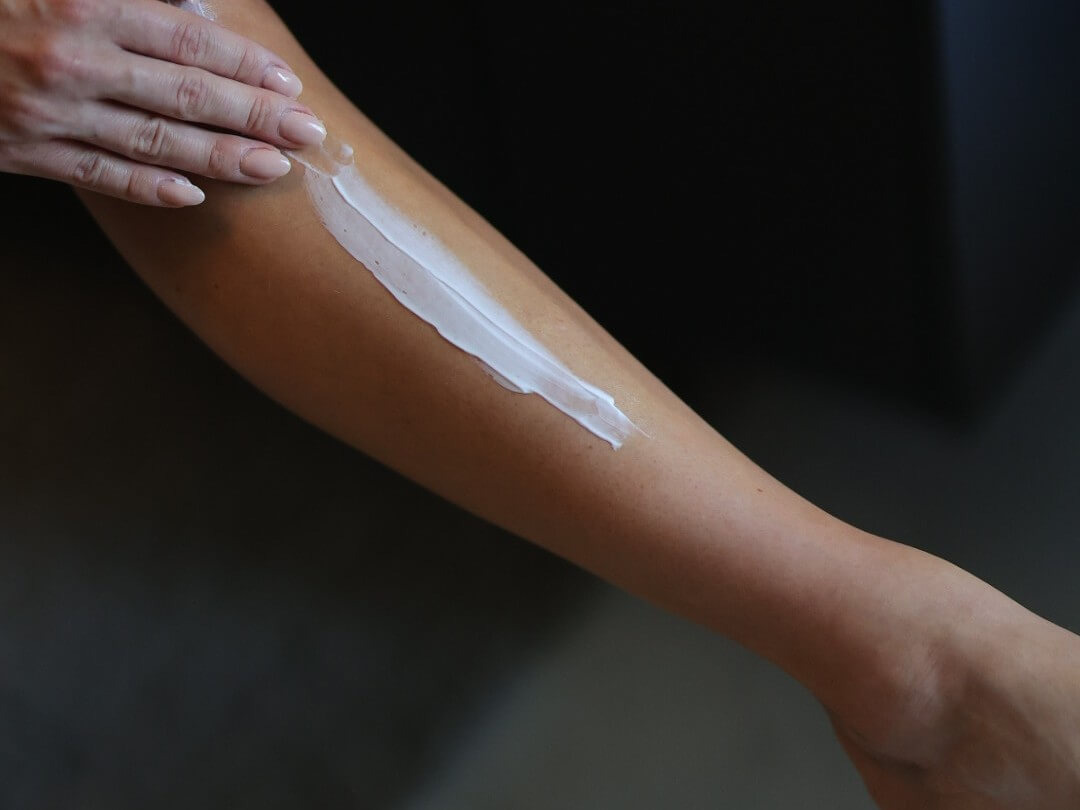
For those seeking safer alternatives, topical self-tanning lotions or professional spray tans with DHA are generally regarded as safe by dermatologists when used according to the manufacturer’s application instructions. Always prioritize sun protection factor (SPF) and sunscreen to mitigate UV exposure risks.
Additional Reasons For People to Be Cautious
Using an unapproved tanning product or adding UV exposure because you believe you’ll tan more easily introduces a variable to your skin health that should be taken into consideration if you have certain conditions or medical history.
Pay extra attention to skin changes if using a nasal spray or tanning pills if:
- You have very fair skin
- Have many or unusual-looking moles
- Personal or family history of melanoma or another skin cancer
People with existing medical conditions or anyone taking medications should also be cautious about adding an unapproved internal tanning product without discussing it with a healthcare professional.
Whatever your age or health history, certain changes are worth medical attention:
- Moles that change quickly, itch, bleed, or otherwise concern you
- New or unexplained changes in skin pigmentation
- Yellowing of the eyes or skin, new vision problems, or other significant physical symptoms
These symptoms don’t automatically mean a tanning product is responsible, but they’re good reasons to speak with a healthcare professional and be honest about what you’ve used.
What Are Safer Alternatives to Nasal Tanning Sprays and Tanning Pills?
You don’t have to choose between “no color at all” and trying to change your pigmentation from the inside.
A skin-first approach lets you enjoy looking more bronzed without relying on UV tanning, nasal tanning sprays, or tanning pills. No matter which option you choose, remember: a cosmetic tan does not replace sunscreen or regular sun protection.
Here’s a simple comparison to put your options in perspective:
| Method | How It Works | Overall Risk Picture |
| UV tanning (sun or tanning beds) | UV exposure stimulates tanning after skin damage | Increases skin cancer risk and premature skin aging |
| Nasal tanning spray / melanotan | Attempts to stimulate pigmentation through an internally absorbed substance | Not FDA-approved for tanning; safety has not been established |
| Tanning pills containing canthaxanthin | Pigment accumulates in the skin and other tissues | Not FDA-approved for tanning; documented eye and other health concerns |
| Topical DHA self-tanner | Temporarily darkens the outermost layer of skin | Does not require UV exposure; use only as directed |
| Professional DHA-based sunless spray tans | Applies DHA to the skin for temporary cosmetic color | Avoids UV exposure; limit inhalation and contact with eyes, lips, and mucous membranes |
Even with sunless tanning, keep SPF and other sun-protection habits separate from your color routine. Looking tan is not the same thing as being protected from UV radiation.
At goGLOW, that distinction is part of the skin-first approach. A custom sunless tanning service is designed around your skin tone, desired depth of color, and schedule, so you can get the look you want without relying on UV exposure or an internal tanning product.
How Can You Start Phasing Out Higher-Risk Tanning Habits?
If you’ve already tried nasal tanning sprays or pills, the goal isn’t shame; it’s simply making a more informed choice from here.
Start by being honest with yourself and, if needed, with your doctor, about what you’ve used and how often. Then step back and look at your routine as a whole: sun exposure, tanning beds, nasal sprays or pills, at-home self-tanner, and professional sunless tanning.
Step 1: Stop adding new internal or UV exposure
Consider discontinuing nasal tanning sprays, tanning pills, and deliberate UV tanning while you decide what makes sense for you going forward.
Step 2: Book a skin check if something concerns you
If you’ve noticed a changing mole or another skin change that worries you, a dermatologist can evaluate it properly instead of leaving you to guess.
Step 3: Swap one habit at a time
Replace the highest-risk part of your routine first, particularly deliberate UV tanning or unapproved internal tanning products, then focus on surface-applied sunless tanning options used as directed and consistent sun protection.
That kind of reset can move your routine away from “hoping this is fine” and toward choices you understand and feel more comfortable making.
If professional sunless tanning becomes part of that reset, goGLOW can help make the transition feel more intentional.
Your goGLOW specialist can guide you through color customization, preparation, rinse timing, and aftercare so the change isn’t simply about replacing one tanning method with another, but about building a routine that works better for your skin and your lifestyle.
Choosing a Skin-First Glow You Can Feel Good About
If this has made you rethink something you’ve seen, or even something you’ve tried, that’s worth listening to. Wanting the look of a tan isn’t the problem. The important part is choosing a method that fits your skin, your comfort level, and the way you want to care for yourself long term. Among all the sunless tanning methods out there, a better path can be simple: keep the confidence, change the method.
So called tanning pills and nasal sprays are sold cosmetically but are not held to the same scrutiny as medicinal products, and unlike cosmetic products that go through regulatory review, unregulated products like these can carry serious health risks. Whether tanning pills work at all is far from settled, and the harmful side effects tied to some of them, including eye damage and other long term health impacts, are well documented enough that anyone who sells medicinal products with relevant health warnings would be expected to disclose them. Nasal sprays raise their own concerns, since inhaled chemicals aimed at the nasal passages and nasal congestion aren’t the same as something meant for the skin. The same goes for indoor tanning devices, including tanning lamps and uv lamps, which Cancer Research UK and other health bodies link to an increased risk of skin cancer and other dangers.
If you’re ready to move away from unapproved nasal tanning sprays, tanning pills, or deliberate UV tanning, a professionally applied, DHA-based sunless tan offers a way to create a natural looking tan without relying on UV exposure or intentionally changing pigmentation from inside your body. DHA is an FDA approved ingredient for external use, and it works by reacting with an amino acid in the outermost layer of skin, which is why sunless tanners applied properly are considered a safer route than the dangerous or harmful alternatives above.
At goGLOW, every sunless tanning service begins with a personalized approach. Your goGLOW specialist can help customize your color based on your skin tone, preferences, desired depth, and schedule while keeping skin preparation and aftercare part of the conversation.
Because your glow should feel like something you chose thoughtfully, not something you had to gamble on to get.
Ready to make the switch to a skin-first glow? Book your goGLOW and let your specialist customize your color, timing, and prep around you.