A fresh spray tan can give you a beautiful, sun-kissed glow without spending hours tanning outdoors. That’s true.
But, does a spray tan protect from the sun once you step outside?
No. While a spray tan changes the color of your skin, it does not provide reliable protection from UV rays. You can still experience sunburn and UV damage with a sunless tan, which means sunscreen and other sun-protection measures remain important.
The good news? You don’t have to choose between protecting your skin and maintaining your glow. You can—and should—use sunscreen with a spray tan.
Here’s what you need to know about spray tans, UV exposure, sunscreen, and keeping your color looking its best.
Does a Spray Tan Protect You From the Sun?
A spray tan or self-tanning lotion may make your skin look darker, but that color shouldn’t be confused with sun protection.
Most spray tans and self-tanners use DHA (dihydroxyacetone), an ingredient that reacts with amino acids in dead skin cells in the outermost layer of your skin (the stratum corneum). This reaction temporarily darkens those cells and creates the appearance of a tan.
What it doesn’t do is cause your body to produce additional melanin.
That’s an important distinction. A sunless tan is a cosmetic color created at the surface of your skin. It doesn’t prevent UVA or UVB rays from reaching your skin or provide the type of tested UV protection you get from sunscreen.
The simplest rule: A spray tan gives you color, not SPF (Sun Protection Factor).
Enjoy your glow, but when you head outdoors, treat your skin as though your spray tan provides no additional sun protection.
Why UV Radiation Protection Still Matters After a Spray Tan
Avoiding intentional UV tanning is one reason people choose professional spray tanning in the first place. You can get the bronzed look you want without deliberately exposing your skin to UV radiation to develop that color.
But an airbrush tan doesn’t make subsequent UV exposure harmless.
Ultraviolet radiation from the sun can cause sunburn and damage skin cells. Over time, UV exposure can also contribute to premature skin aging and increase the risk of skin cancer, including melanoma.
That means a deep bronze isn’t a reason to skip your normal sun-protection routine or spend longer in the sun because your skin looks tan.
Think of your spray tan and sun protection as doing two completely different jobs: one creates the glow; the other helps protect the skin underneath it.
Do You Still Need Sunscreen With a Spray Tan?
Yes. You still need sunscreen with a spray tan.
For time outdoors, use a broad-spectrum SPF 30 or higher on exposed skin to prevent the long-term risk of skin cancers and apply your sunscreen generously and follow the product’s directions for reapplication, particularly when you’re spending extended time outdoors.
Sunscreen should also be one part of a larger sun-protection strategy. Depending on the situation, that can include seeking shade and wearing protective clothing, sunglasses, and a hat.
And yes, all of this still applies when your spray tan looks flawless. The bronze is there for the look, not to block UV rays.
What’s the Best Sunscreen to Use With a Spray Tan?
The best sunscreen to use with a spray tan is one that provides appropriate sun protection, works well with your skin, and is comfortable enough that you’ll apply and reapply it as directed. When you’re comparing your options, there are a few qualities and ingredients worth prioritizing.
For example, we love the Bask line of Suncare products. They carry a variety of “feel-good” sunscreens with high-quality, spray-tan-safe ingredients to help protect your skin and preserve your spray tan while you enjoy outdoor activities.
Broad-Spectrum SPF 30–50 or Higher
Start with the most important consideration: broad-spectrum SPF 30 or higher. Broad-spectrum protection helps protect skin against both types of UV radiation we’re exposed to every day on Earth: UVA rays and UVB rays.
Some people may prefer a higher-SPF formula option, such as a mineral SPF 50 sunscreen lotion, particularly when spending extended periods outdoors. Whatever SPF you choose, remember that proper application and reapplication are essential to getting the protection stated on the label. Bask has a great line of SHEER mineral products! We love these for how easy they are to apply, and the best part is that they do not leave a white cast on the skin! We love their
A Gentle Cream or Lotion Formula
When you’re trying to maintain a spray tan, how a sunscreen applies can matter, too.
Creams and lotion sunscreens can be good options because they’re easy to distribute evenly and gently without aggressively rubbing the skin.
Mineral-based, such as titanium dioxide or zinc-based sunscreens, are another option for people who prefer those formulations.
You can also look for non-comedogenic or oil-free formulations if those qualities better suit your skin type and normal skincare routine. If you want a great lotion, we recommend Bask Sheer Moisturizing Sunscreen.
A Formula That Won’t Unnecessarily Dry Your Skin
Keeping your skin moisturized can help a sunless tan look smoother and fade more evenly. That’s why it’s worth paying attention to formulas that leave your skin feeling excessively dry.
Mineral-based (typically zinc oxide) sunscreens are usually the better option for those with sensitive skin.
Meanwhile, be mindful of very drying, alcohol-heavy aerosol sunscreens. Excessive dryness and friction may make your spray tan fade more quickly or unevenly in certain areas. They can also impact the color of your spray tan, making it turn into an undesirable warmish tone.
That doesn’t mean every spray sunscreen is off-limits, as there are some alcohol-free options on the market. The priority is choosing a sunscreen you’ll use correctly while continuing to keep your skin hydrated.
Water Resistance for Swimming and Active Days
If you’re heading to the pool or beach, exercising outdoors, or expecting to sweat, look for a water-resistant sunscreen.
Water resistance doesn’t mean you can apply sunscreen once and forget about it. Follow the product’s directions and reapply after swimming, sweating, or towel drying as instructed.
Protecting your skin should always take priority over trying to extend the life of your tan.
Additional Features That Fit Your Preferences
You may also encounter sunscreens marketed as:
- Dermatologist-tested
- Reef-friendly
- Cruelty-free
These features can help you narrow down your options based on your skin and personal preferences, but they shouldn’t distract from the fundamentals: adequate SPF, broad-spectrum protection, proper application, and regular reapplication.
If you’re unsure which sunscreen formula works best with your tan or skincare routine, ask your spray tan professional or a board-certified dermatologist.
When Can You Apply Sunscreen After a Spray Tan?
Timing matters most while your spray tan is developing.
Immediately after a professional spray tan, follow the aftercare instructions given to you by your specialists or spray tanning professional. Avoid adding unnecessary products to your skin before your recommended first rinse.
With a rapidly developing tan, that first rinse may happen within several hours. For example, goGLOW’s Rapid goGLOW is designed to be rinsed approximately 3–5 hours after application. Development times remain the same as the Single goGLOW, and always follow the instructions for your specific tan.
After your recommended first rinse, you can incorporate sunscreen into your normal skincare routine when heading outdoors.
Apply it gently rather than aggressively rubbing or scrubbing the skin. Your goal is simple: protect your skin without unnecessarily exfoliating the outer layer where your spray tan’s color develops.
How to Protect Your Spray Tan During Summer, Swimming, and Outdoor Activities
Sunscreen shouldn’t be avoided because you’re worried it will ruin your tan. Your skin’s protection comes first. Instead, focus on habits that protect your skin while helping your spray tan fade as evenly as possible.
Whether you’re heading to the beach, relaxing by the pool, traveling, or simply spending more time outdoors during summer, these tips can help:
- Apply and reapply sunscreen as directed: Don’t skip SPF to preserve your color. Use a broad-spectrum sunscreen and reapply it according to the label, especially after swimming or sweating.
- Choose water-resistant sunscreen for swimming and active days: Water-resistant sunscreen can provide more practical protection when you’re at the pool, beach, or exercising outdoors, but you’ll still need to reapply it as directed.
- Pat your skin dry instead of rubbing: Aggressive towel drying creates friction and exfoliation that may cause your spray tan to fade faster or unevenly.
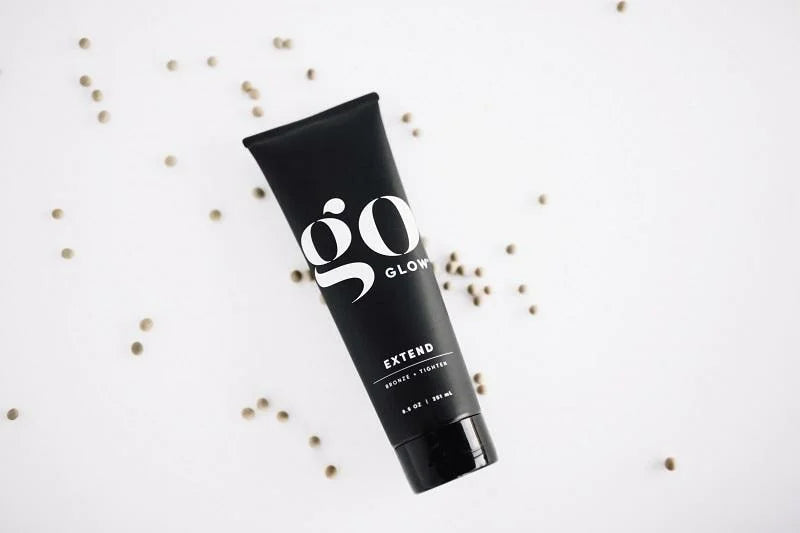
- Moisturize regularly: Keeping skin hydrated can help your tan look smoother and fade more evenly. Moisturizing products, such as goGLOW’s HYDRATE, may contain ingredients such as Argan Oil or Organic Rose Hip Oil, but remember that moisturizing ingredients alone do not provide UV protection.
- Keep showers warm rather than extremely hot: Long, hot showers and baths can contribute to dryness and may accelerate fading.
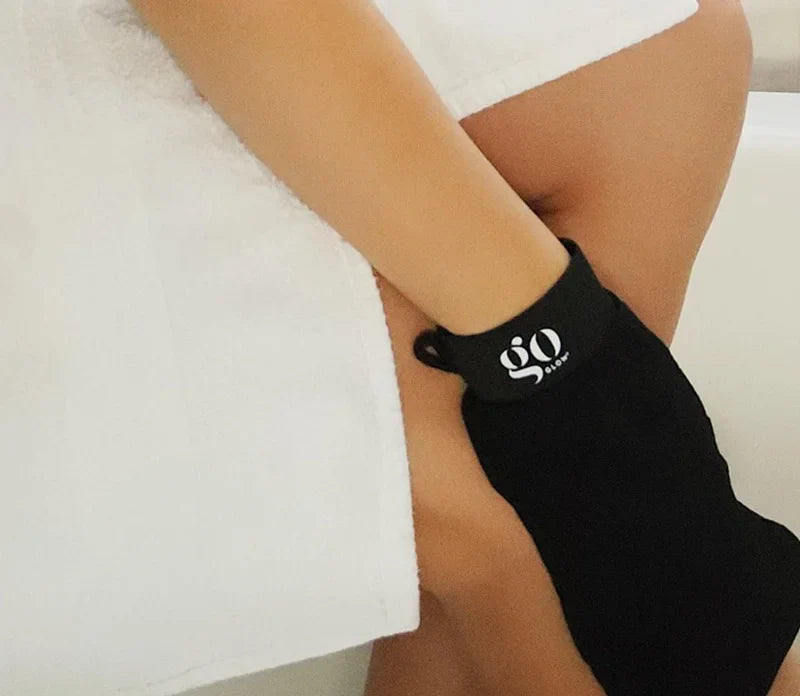
- Limit unnecessary exfoliation: Scrubs, exfoliating tools, and other products designed to remove dead skin cells can also remove the outer cells where your spray tan’s color develops.
- Expect some fading after swimming: saltwater, chlorinated pools, extended swimming, sweating, and repeated towel drying can all shorten the lifespan of a spray tan. That’s normal, so don’t sacrifice proper sun protection just to make the color last longer.
The most important rule is simple: protect your skin first and maintain your glow around those habits.
A spray tan that gradually fades is cosmetic. UV damage isn’t.
Spray Tan vs. Suntan vs. Sunscreen: What’s the Difference?
It’s helpful to separate these three things because they serve very different purposes.
| Option | Creates Color? | Requires UV Exposure? | Reliable Sun Protection? |
| Professional spray tan | Yes | No | No |
| Self-tanner | Yes | No | No* |
| Sun/UV tan | Yes | Yes | Not a substitute for sunscreen |
| Broad-spectrum sunscreen | No | No | Yes, when used as directed |
*Some self-tanning products may separately contain labeled SPF. In that case, the sunscreen component must still be applied in the appropriate amount and reapplied according to its directions.
Professional spray tanning, therefore, gives you something UV tanning can’t: the appearance of bronzed skin without needing UV exposure to create the color. Sunscreen then handles a different job, helping protect your skin when you go outside.
Frequently Asked Questions About Spray Tans and Sunscreen
Does a Spray Tan Have SPF?
A standard spray tan should not be treated as a sunscreen. Unless a particular product has been specifically formulated, tested, and labeled as having SPF, assume your spray tan provides no reliable sun protection.
Can You Get Sunburned With a Spray Tan?
Yes. A spray tan doesn’t prevent UV rays from reaching your skin, so you can still get sunburned while wearing one.
Can You Put Sunscreen Over a Spray Tan?
Yes. Once you’ve followed the appropriate development and first-rinse instructions for your tan, sunscreen should remain part of your sun-protection routine.
Will Sunscreen Make My Spray Tan Fade?
Using sunscreen is more important than trying to prevent every bit of fading. Gentle application, moisturizing your skin, avoiding excessive friction, and following good spray-tan aftercare can help maintain your color.
Keep the Glow. Keep the SPF.
So, does a spray tan protect from the sun? No.
A professional spray tan can give you the sun-kissed glow you want without intentionally tanning your skin with UV radiation, but it doesn’t replace sunscreen.
Whenever you’re spending time outdoors, continue using a broad-spectrum SPF 30 or higher, reapply it according to the product directions, and practice other sun-safe habits appropriate for your activity.
With goGLOW, beautiful color doesn’t have to come from UV tanning. You can enjoy a customized glow while continuing to make sun protection part of your everyday skincare routine.
Ready for your next glow? Book your goGLOW and ask your goGLOW professional about the preparation and aftercare routine that can help you get the most from your tan.