If you’ve ever stood in a studio trying to choose between a rapid vs traditional spray tan, you’re not alone. Both sound appealing on paper, both promise a natural glow, and the internet is full of conflicting timing advice around spray tanning and development windows.
Underneath the labels, though, both options rely on the same active ingredient working in the very top layer of your skin, which is why the decision often feels more complicated than it needs to be.
This guide keeps things skin-first and practical. You’ll see how each tan actually develops, how a professional sunless tan looks when it’s done well, how to match it to your schedule, and what to consider for your skin type, undertone, and sensitivities.
By the end, you’ll have a simple framework to decide whether rapid tans or traditional spray tans fit your real life, rather than guessing in the moment. This is general information only, not medical advice.
How Rapid and Traditional Spray Tans Actually Work on Your Skin
Both rapid and traditional spray tans use DHA (dihydroxyacetone), which reacts with amino acids in the outer layer of your skin to create color without UV exposure. In a traditional “overnight” tan, you keep the spray tan solution on for longer before you rinse. In a rapid tan, like our Rapid goGLOW, you rinse much sooner with a rapid rinse window, but the color continues developing underneath.
The overall chemistry is the same whether you’re using a standard spray tan solution, or rapid solution. What really changes is how tightly you control the timing and how long the professional solution sits on your skin before you shower off.
For many clients, the biggest adjustment isn’t the formula but learning about the development process and choosing between a traditional rinse window or a faster, rapid rinse schedule.
What DHA Is Doing In The First 24 Hours
From the moment your spray tan is applied, DHA begins reacting with the proteins in your skin while the cosmetic shade provides immediate feedback about color placement.
During a professional application, specialists may also use contouring techniques, shading, and custom blends to enhance the natural silhouette of your body and create more customizable results.
In simple terms, here’s what usually happens during the development process:
- Subtle change within a few hours; skin typically looks smoother and more even
- Peak color around the 12–24 hour mark, when the tan reaches its full color
- Gradual fade over 5–10 days as skin cells naturally shed
Both rapid and traditional spray tans follow this same gradual development curve. The difference lies in whether the spray tan solution stays on your skin for a shorter, more controlled window or a longer, more forgiving one before that first rinse.
Many studios either apply finishing powder or a full-body setting powder after application to reduce transfer risk and help clients feel more comfortable leaving their appointment.
goGLOW even offers an at-home setting powder kit!
Where Rapid vs Traditional Spray Tan Really Differ
With a traditional studio tan, like our Single goGLOW, clients usually keep the solution on their skin for 12–24 hours before rinsing. This longer “marinating” period allows for a more flexible schedule. If your shower time shifts slightly earlier or later, it usually won’t dramatically change the final color.
With a rapid tan, however, timing becomes the main control dial.
Typical guidelines include:
- Rinse after around 3 hours for a lighter, sun-kissed glow
- Rinse closer to after 5 hours for deeper color development
If a rapid tan is left on significantly longer than recommended, especially on fair or dry skin types, the color may develop too dark or unevenly. That’s why rapid tans require a little more schedule awareness, while traditional tans feel more relaxed and forgiving.
In both cases, professional application matters. At goGLOW, tan specialists perform a custom color consultation before every session, evaluating your skin tone, undertone, tanning needs, and schedule to recommend the most appropriate spray tan solution and application technique.
How They Look: Color, Depth, and Finish Compared
When properly applied and cared for, a rapid and traditional spray tan can look nearly identical once development is complete. Both rely on the same active ingredient, deliver a comparable amount of color to the skin, and fade along a similar timeline.
Most visible differences actually come from factors like:
- Shade selection
- Skin preparation
- Undertone matching
- Application techniques
- How carefully were the rinse instructions followed
Professional spray tanning services focus heavily on custom spray tans, where artists blend shades and adjust depth based on your natural skin tones and desired glow.
Depth, Undertone, And How “Natural” It Looks
Your natural coloring and undertone are the biggest factors in how believable your tan appears.
Some general patterns professionals notice during custom color consultations:
- Very fair or porcelain skin can develop warmth quickly at higher DHA levels, especially if a rapid tan stays on too long.
- Olive and deeper skin tones typically have more flexibility with depth before color looks overdone.
- Balanced undertones often photograph more naturally than overly cool or overly red bases.
The goal of professional spray tanning is to create a sun-kissed glow that complements your natural undertone and skin tone, and not just about achieving maximum darkness.
That’s why studios like goGLOW prioritize consultation and training. Specialists are trained to carefully match solutions and may incorporate subtle contouring techniques or shading during professional application to enhance natural body lines.
Texture, Trouble Spots, And How It Photographs
Dry or textured areas, such as knees, elbows, ankles, and hands, often absorb more spray tan solution. That’s true for both rapid and traditional formulas, but you may notice it faster with stronger rapid solutions or longer contact times.
The most flattering results usually happen when:
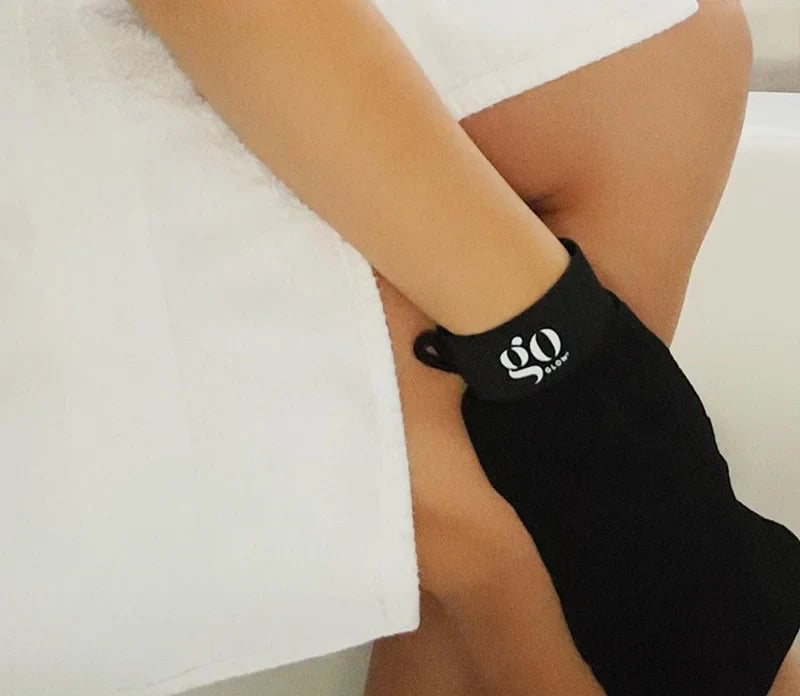
- Skin is gently exfoliated before your appointment. The goGLOW EXFOLIATE mitt is another crucial tool that gently scrubs away impurities and dead skin before a session.
- Skin is cleaned of residue from lotions, deodorants, or oils before spray tanning. Products like goGLOW CLEANSE, a pH-balancing cleanser containing hyaluronic acid, can help prep skin before appointments. Because it’s sulfate-free, vegan, and hydrating, it’s commonly used during prep for perfection routines and is even gentle enough to shave with prior to a spray tan session.
- The chosen color matches your natural undertone and event setting
- Skin is kept moisturized after you’ve completed the first rinse to wash away the cosmetic bronzer. This helps color settle and fade more evenly. goGLOW’s HYDRATE body butter, infused with argan oil, absorbs quickly without leaving a greasy residue and helps keep skin moisturized before and after spray tanning services.

Timing Your Tan Around Real Life
Once you understand that both options reach full color around the same timeframe, the decision between a rapid or traditional spray tan becomes simpler. The real difference is how each development process fits into your daily schedule.
Think of rapid versus traditional as two ways to organize the same color timeline around your week.
A helpful approach is to work backward from your key moment, an event, a photoshoot, or a travel day, and decide how much structure you have around the hours before your first rinse.
Simple Timing Examples You Can Reuse
Imagine your main event is 2 p.m. on Saturday, and you want your color looking its best from midday onward.
Two common timing approaches include:
- Traditional spray tan (Single goGLOW): book Thursday evening or Friday morning, keep solution on for 12–24 hours, then shower off and allow color to settle before Saturday.
- Rapid spray tan (Rapid goGLOW): book Friday morning or midday, rinse after the rapid solution window (3–5 hours), then allow the rest of the gradual development process to unfold before your event.
Traditional spray tans often work best if:
- You can plan 1–2 days ahead
- Evenings are calm and predictable
- Sleeping in solution feels comfortable
Rapid tans are often preferred by:
- Mid-day tanners with packed schedules
- Clients who don’t want overnight transfer risk on clothing or bedding
- Those who are comfortable following a strict rapid rinse timing window
In either case, keeping skin cool, dry, and comfortable before the first rinse helps the development process unfold evenly.
Skin Types, Sensitivities, and Choosing Safely
Your skin’s natural behavior matters just as much as your calendar when deciding between a rapid and traditional spray tan. Two clients with identical event timing may need different approaches because their skin types respond differently to spray tan solutions and development timing.
A professional consultation helps identify factors like skin tone, undertone, hydration levels, and sensitivities before application. If you’re under medical care or managing chronic skin conditions, always follow your healthcare provider’s advice first. This section is general guidance only.
Tone, Texture, and Age
Different skin types often feel more comfortable with different spray tanning strategies.
For example:
- Very fair or mature skin can benefit from a lower-strength professional solution and slightly longer development windows, making traditional spray tans a gentle starting point.
- Oily or breakout-prone skin may respond better to shorter contact times, particularly on the face, when paired with careful aftercare.
- Deeper skin tones often have the flexibility to choose rapid or traditional based on schedule, while focusing more on undertone adjustments to enhance radiance.
Professional artists also consider texture, hydration, and skin conditions when selecting solutions. Dry areas like elbows, knees, and ankles may require lighter application techniques, while contouring techniques and shading can be used to subtly enhance body lines and create customizable results.
If you’re unsure how your skin will respond, it’s completely reasonable to ask for a lighter shade during your first appointment or request a patch test beforehand, especially if you have:
- sensitive skin
- eczema
- psoriasis
- allergies
- a history of reactions to cosmetic products
Treatments, Pregnancy, And Special Situations
Certain treatments and skin conditions can affect how the spray tan solution develops.
Recent waxing, chemical peels, retinoids, aggressive exfoliation, or active eczema patches can all change how the color settles. In those cases, it helps to:
- Point out recently treated or sensitive areas during your consultation
- Avoid applying the solution directly to compromised skin
- Use conservative contact times during your first session
If you’re pregnant or have respiratory sensitivities, many studios—including goGLOW—can adjust the experience by prioritizing good ventilation, careful professional application techniques, and optional nose filters.
Modern sunless formulas are commonly vegan-certified and formulated without many harsh additives, but individual sensitivities can still occur. A skin-first studio will always prioritize comfort and safety, even if that means adjusting the service or postponing the appointment.
Common Mistakes, Risks, and How to Fix Tan Problems
Most spray tan mishaps happen because of timing, prep, or aftercare, not because someone chose one kind of spray tan over the other.
Professional spray tanning relies on preparation and aftercare just as much as application.
Where Tans Most Often Go Wrong
Studios often see the same issues repeatedly, regardless of whether clients choose a rapid or traditional spray tan.
Common problems include:
- Leaving a rapid tan on too long past the recommended rapid rinse window
- Rinsing with very hot water or harsh soaps immediately after development
- Scrubbing aggressively before the spray tan has stabilized
- Wearing tight clothing while the solution is still developing
- Getting caught in the rain, sweating heavily, or washing hands repeatedly before the first rinse
These situations increase the risk of uneven color, patchiness, or transfer. Early in the development phase, cosmetic bronzer can sometimes transfer to clothing or bedding, particularly if skin becomes warm or sweaty.
Hands, wrists, and feet often reveal mistakes first because they move more, touch surfaces frequently, and tend to absorb color faster.
Using gentle products designed for spray tanning aftercare, such as spray tan-friendly soap and fragrance-free moisturizers, can significantly reduce these risks.
Gentle Ways To Correct Common Issues
Correcting spray tan problems usually works best when done gradually rather than aggressively.
For example:
- Over-dark patches: Apply a rich moisturizer like goGLOW’s HYDRATE and gently buff the area with a soft cloth over several days.
- Patchy fade: Focus on daily hydration, then lightly exfoliate areas that faded faster.
- Dark hands or wrists: Moisturize and lightly buff knuckles and between fingers over several days instead of scrubbing once.
- Face lighter than body: Use body makeup temporarily while the tan evens out.
Consistent hydration is key to maintaining an even fade. Products like goGLOW HYDRATE, a lightweight argan-oil body butter, help keep skin moisturized without leaving a greasy residue that could disrupt color.
The goGLOW SET IT POWDER KIT, a finely milled translucent finishing powder paired with a brush and travel pouch, helps maintain a smooth, shine-free finish while protecting the glow throughout the day.
A Simple Framework to Decide Between Rapid and Traditional
When you strip away the marketing language, the decision between rapid vs traditional spray tan usually comes down to three factors:
- When you need your color to peak
- How predictable your schedule is
- How your skin typically reacts to the spray tan solution
Once you understand those three variables, choosing between rapid and traditional becomes far more straightforward.
A quick self-check can help:
- When exactly do you need your tan looking its best?
- How much control do you have over the 3–5 hour rinse window after your appointment?
- Is your skin fair, dry, or reactive, or does it usually tan evenly?
- Do you prefer a wide timing window or a precise schedule?
If you’re newer to spray tanning, a traditional solution can provide a gentler learning curve because the longer development window leaves room for small timing mistakes.
Once you understand how your skin develops color, rapid tans can become a helpful tool for busy weeks, travel schedules, or mid-day tanning appointments.
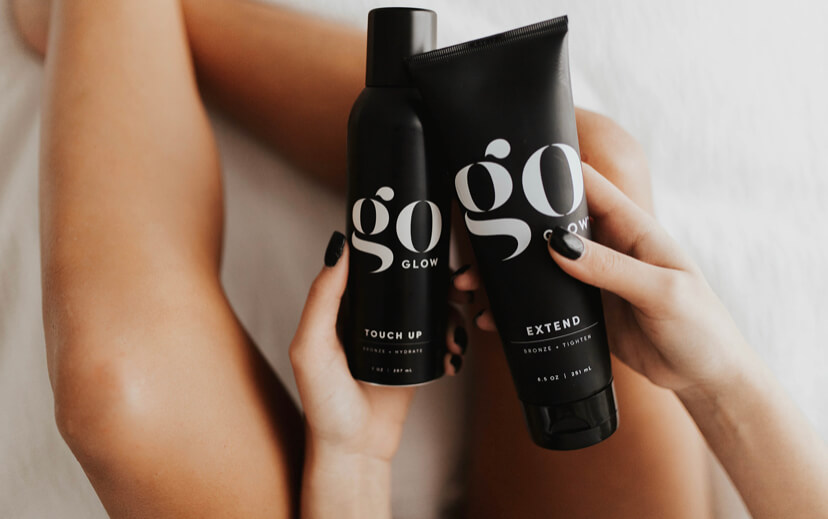
Between professional services, many clients maintain their glow with at-home options like goGLOW’s MOUSSE, an ultra-light whipped sunless tanning mousse enriched with hemp seed oil and vitamins A, D, and E. This formula uses natural ingredients to create a radiant sun-kissed glow without UV exposure, making it a convenient way to extend color between appointments.
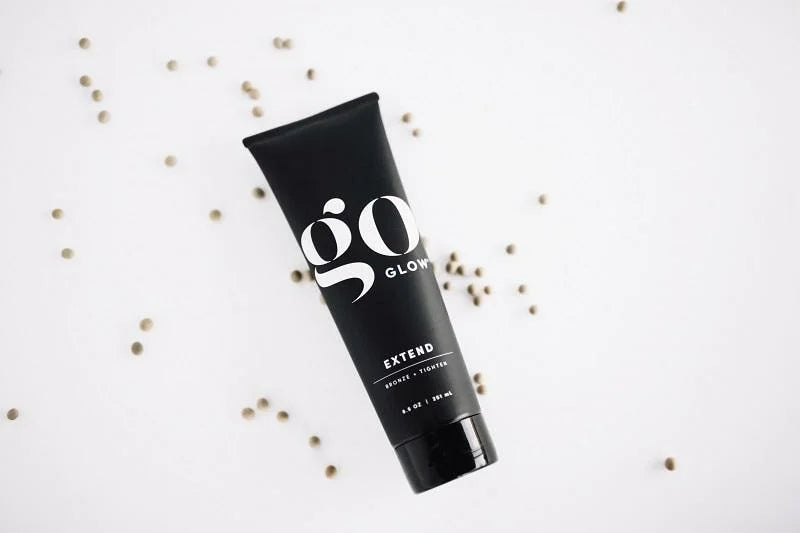
Or, with goGLOW’s EXTEND, a gradual self-tanning moisturizer made with organic coconut oil. This powerful moisturizer restores dry, flaky, dull, or pale skin.
Let a goGLOW Specialist Match Your Tan to Your Life
Ultimately, the choice between a rapid vs traditional spray tan isn’t about which option is better, but about which development window fits your skin, your routine, and your schedule.
Both rapid and traditional spray tanning use the same core chemistry and can produce beautiful, even color when prep, application, and aftercare are handled thoughtfully. Whether you are maintaining a summer tan between beach days, preparing for a beauty milestone, or simply want the confidence of a sun-kissed glow without self tan guesswork, the right tan solution and rinse timing make all the difference. Unlike a self tanner or tan mousse applied at home, a professionally applied spray mist delivers consistent, streak-free coverage that a trained tan professional can tailor precisely to your skin tone and depth preference.
At goGLOW, every visit begins with a custom color consultation where a trained specialist and spray tan artist evaluates your natural skin tone, undertone, tanning history, and upcoming events. From there, they recommend the best spray tan solution — including options with or without a bronzer for immediate color guidance — set your ideal tan rinse timing, whether that means an express tan rinse window or overnight development, and guide you through tan aftercare so you can get a natural looking glow and long-lasting tan. Unlike a sunless tanner or self tanner applied at home without guidance, working with a tan professional means every step from the spray mist application to your tan aftercare routine is backed by expertise.
With the right approach, a spray tan becomes less about guessing between rapid and traditional, and more about creating a personalized glow that fits your life — whether that is a rich summer tan for vacation, an everyday sunless tanner alternative, or a confidence boost that pairs beautifully with other beauty treatments like teeth whitening for a fully refreshed look.
When you’re ready, booking a goGLOW appointment turns a confusing choice into a simple, skin-first ritual that delivers a confident, sun-kissed glow.